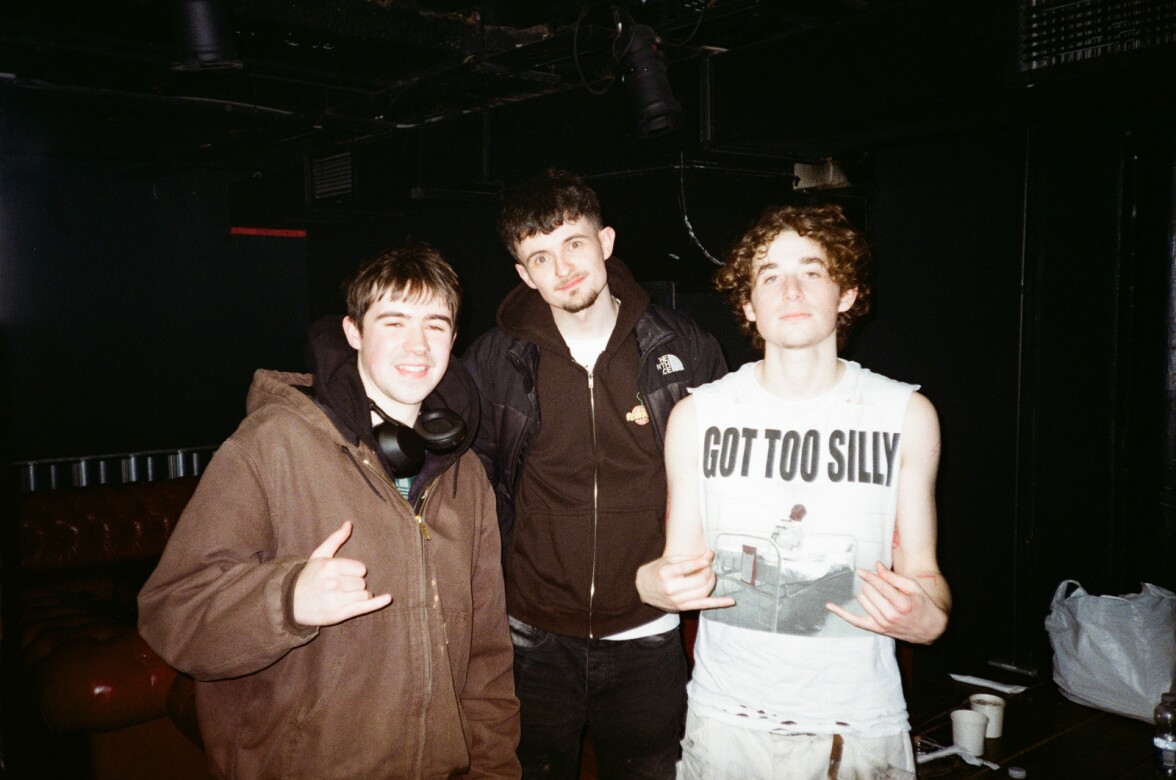
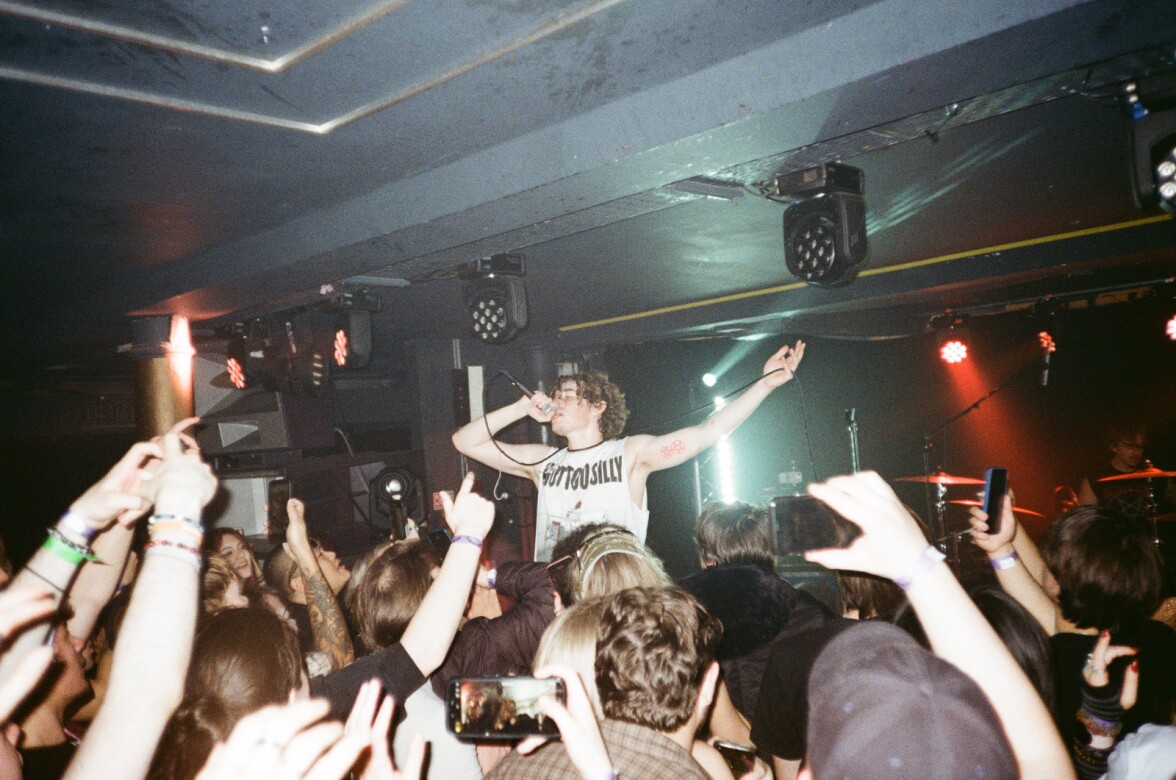
Hi, I'm Callum Owens, from Dublin, Ireland. I began at TU Dublin studying marketing before pivoting to a creative writing and graphic design programme, with time abroad in a remote part of Canada working in the humanities. From there, I came to the realisation that I wanted to combine my interests in cultural outreach, marketing and writing into one degree, Creative Industries and Visual Culture. The environment has been consistently supportive, teaching me how to professionally research and find my footing in the creative industries, where things move quickly and a lot of meaningful information goes unnoticed.
After graduation, I plan to pursue a career in cultural journalism. Having published articles and interviews on underground music scenes in local magazines, I'm working to build my own media brand, Tomorrow Will Come, rooted in mental health advocacy and giving space to unheard voices making real impact.
Visibility and Authenticity: The Mask as a Mediator in Contemporary Underground Irish Artistry
My thesis argues that the mask does not undermine authenticity but actively enables it. In a culture where social media demands constant self-disclosure, the mask appears to break the rules of authentic expression. The thesis argues the opposite —that concealment redirects attention away from the visible self and toward the work, the performance and the community, producing a more honest form of authentic connection than visibility could.
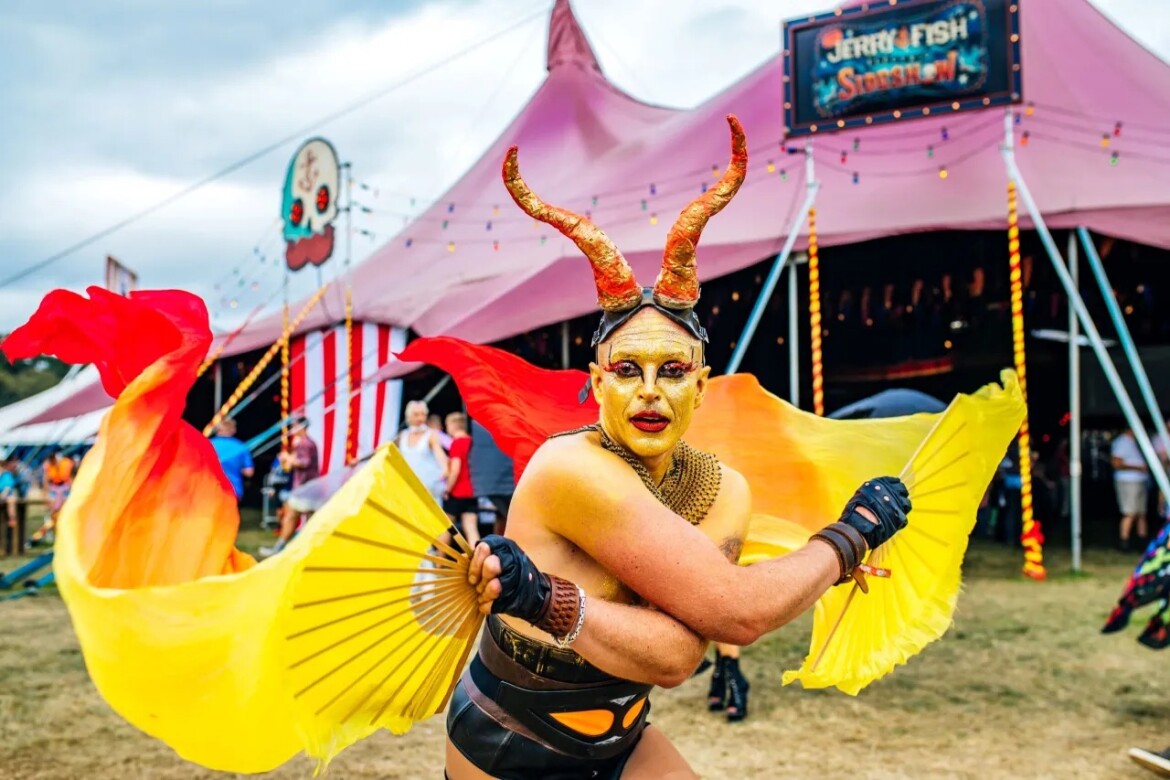
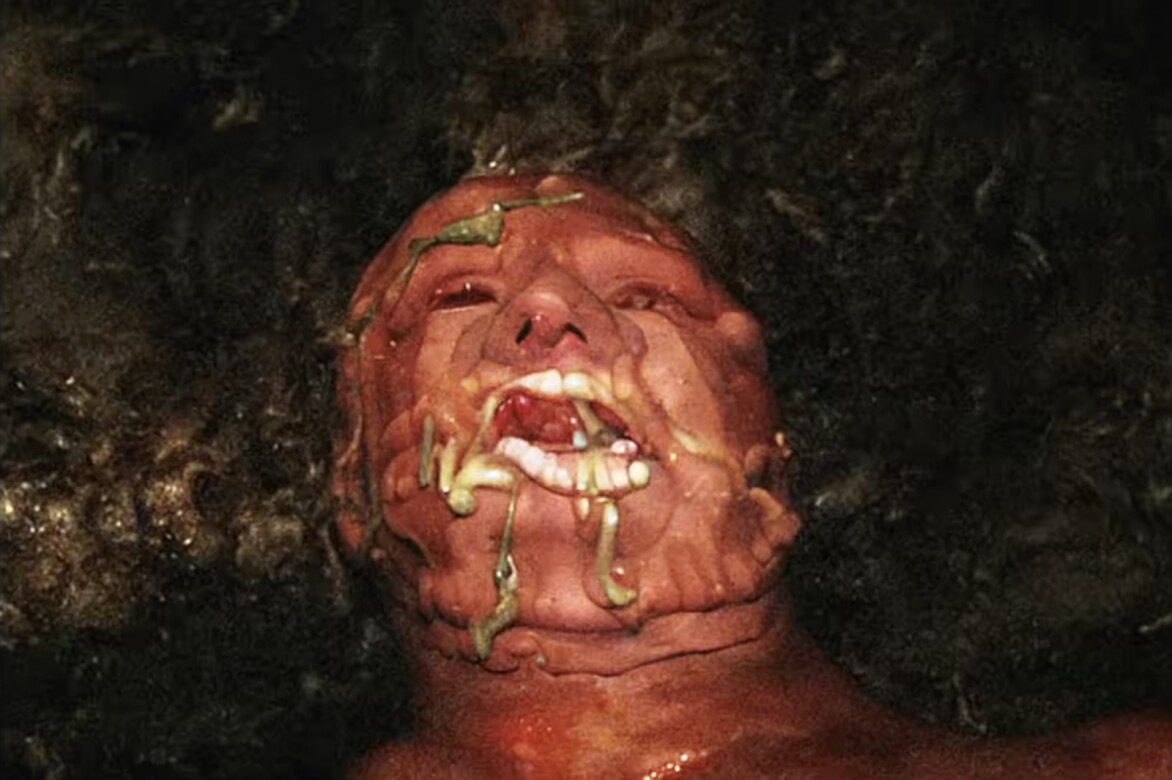
Across four case studies rooted in Irish culture: the mumming tradition of rural Leitrim, Aphex Twin's distorted music videos, Bricknasty's grotesque world-building in the music video Vinland, and Jerry Fish's carnivalesque Electric Sideshow at Electric Picnic. I traced how masked practice has been quietly contradicting the visibility-driven assumptions of contemporary culture for far longer than social media has existed.
The project was grounded in primary research, including interviews and correspondence with Dr. Tanya Dean (TU Dublin Conservatoire), Rory Mullen (art director of Vinland), Dr. Liam Cagney (author of Berghain Nights), Ryan Wyer (director of Aphex Twin's Cirklon3 video), and Blindboy Boatclub. Reaching practitioners who work largely outside mainstream institutional channels was central to both the methodology and the argument.
The thesis brought together my interests in music, performance, cultural theory and Irish underground practice, and clarified what kind of writing I want to do next: cultural journalism that takes underground voices seriously

Intimacy at Scale: An Interview with Thxsomch
The project I have included is an interview I conducted with Canadian artist Thxsomch, made possible through the editorial guidance of the team at Goo Magazine during my work placement. The interview focused on the release of Thxsomch's new album Hate, which marked a significant tonal and stylistic shift in his catalogue.
We spoke about the creative thinking behind the new direction, how it positioned him against his earlier work, and the reception from his audience. What stood out most to me was the intimacy of his fanbase relationship, despite amassing close to 5 million monthly Spotify listeners and a substantial US and global following built primarily through TikTok, Thxsomch has retained a closeness with his listeners that feels rare at that scale. One example: a fan in his Discord server messaged him every day for 500 days straight asking him to finish a track. Thxsomch eventually completed it, sent it to that fan privately, then released it publicly a month later.
The interview gave me the opportunity to explore how an artist navigates rapid platform-driven growth while preserving the authenticity of personal connection, a tension at the heart of contemporary independent music. It also reflects the direction I want to take my own writing: cultural journalism that takes underground and emerging voices seriously, treating them with the same critical attention typically reserved for established artists.