Ambush Marketing and the Politics of Sporting Spectacles: Regulation, Counter-Conduct, and Sponsorship 2006-2014
This thesis reflects on ambush marketing as a political practice within contemporary sporting spectacles from 2006 to 2014. Rather than viewing ambush marketing as a form of cheating, with some researchers seeing it as “manipulative or deceptive”, my study argues that such practices can be understood as forms of counter-conduct in response to the restrictive regimes of sponsorship protection. Developing ideas of governmentality from two critical thinkers, Michel Foucault and Guy Debord, this thesis views mega-events like the Olympics and the FIFA World Cup as tightly controlled competitions where visibility, space, and behaviour are carefully regulated. By examining ambush marketing in this context, the study argues that this practice is a way for organisations to gain attention while challenging the dominant systems, in a way that is visually appealing and cleverly orchestrated.
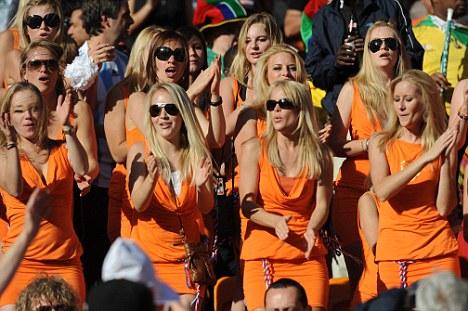
Chapter One establishes a theoretical framework surrounding the politics of visibility, arguing that sponsorship operates as a form of governance that structures who can be seen within the event space. Chapter Two examines the rise of legislation at events, and the exceptional legal measures designed to protect commercial prestige with particular focus on the London 2012 Olympic Games. Chapter 3 reframes ambush marketing as a form of counter-conduct, highlighting how both large corporate and informal organisations find ways to exploit the limits of standardized control. The final chapter reflects on these events through a visual analysis of guerrilla marketing practices though examples such as Bavaria at the 2010 FIFA World Cup. My overall study observes the tensions within the commercialisation of the public space at mega-events. It argues that sporting spectacles are not just sites of entertainment, but are arenas in which power, and visibility are constantly considered.