Hi I’m Amy, a multidisciplinary designer based in Dublin with a strong passion for image making, audio visual projects, photography, human connection and history. My style leans towards the storytelling aspects of design and I’m particularly interested in how it can communicate ideas, experiences, and narratives that encourages people to feel personally connected to the work through their own experiences, memories, and interpretations. I enjoy taking a hands-on approach to design and value both collaborative and independent ways of working. My design practice is grounded in a personal engagement with each new project, thoroughly immersing myself in the research process of exploring new concepts and shaping work that carries meaning and intention. For me, being a designer is not about creating decorative or surface level appearances; it is a practical and powerful process of translating thoughts, memories, and emotion into something tangible, meaningful, and emotionally striking.
How Could Ireland Make Sense?
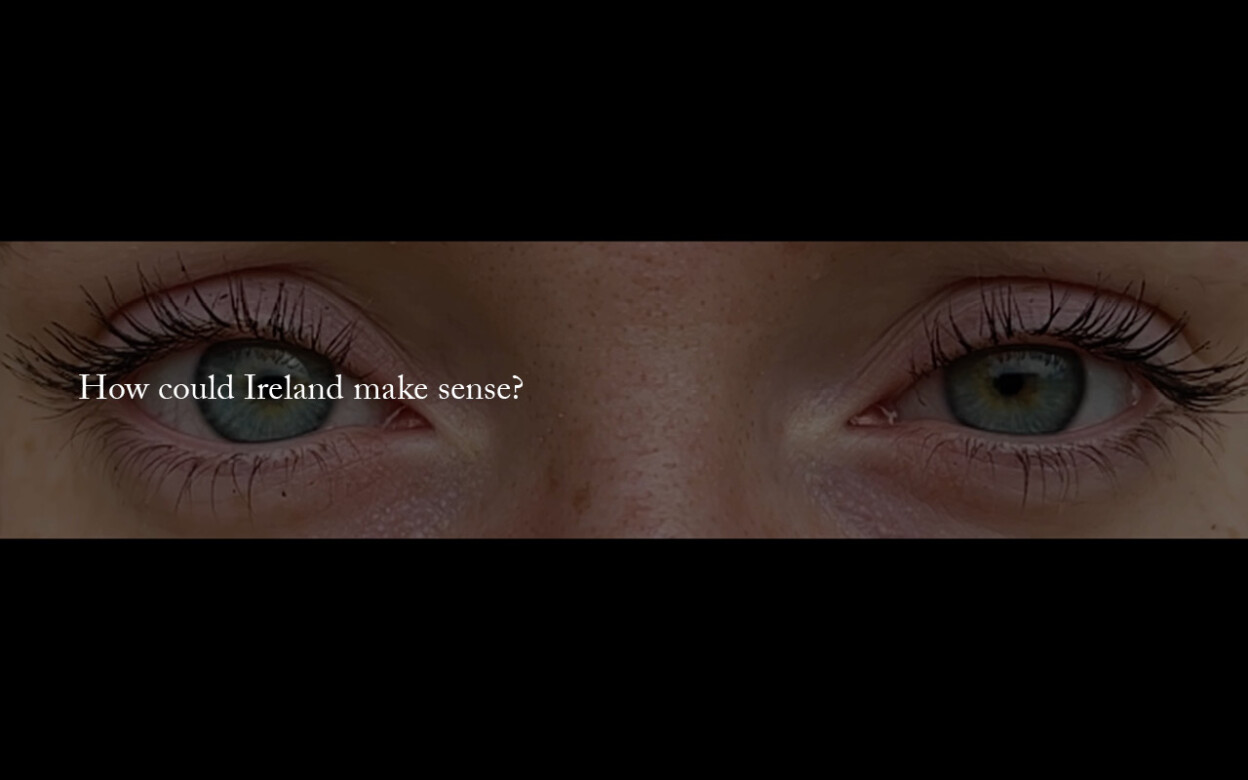
How Could Ireland Make Sense is a film that explores Irish identity, heritage, and ancestry through a more open and questioning perspective. The film aims to encourage audiences to reconsider fixed our stereotypical ideas of what it means to be Irish, presenting Irish origins as a palimpsest of migrations, encounters, and inheritances. The project follows a series of assumptions surrounding Irish identity and subtly challenges viewers to reflect on how their sense of identity is constructed and remembered. The short film combines archival footage, photos, and audio alongside motion graphics, and typography to create a visual narrative that aims to highlight another side to the story of how Ireland could make sense. Humour and subtle suggestion are woven throughout the piece using a recurring slim-frame eye shot. This guides the audience in and out of reality, functioning as a reminder that the assumptions presented are hinting at ideas rather than presenting them directly and encouraging personal interpretation.
DeFault Settings
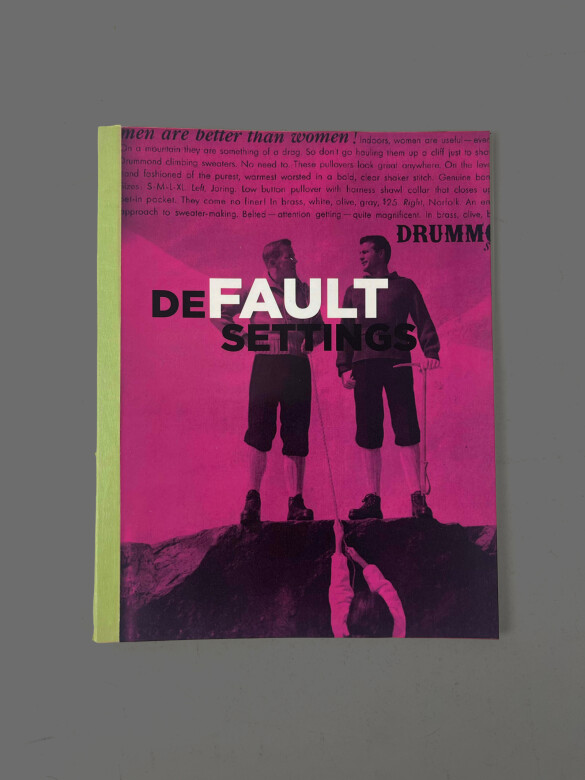
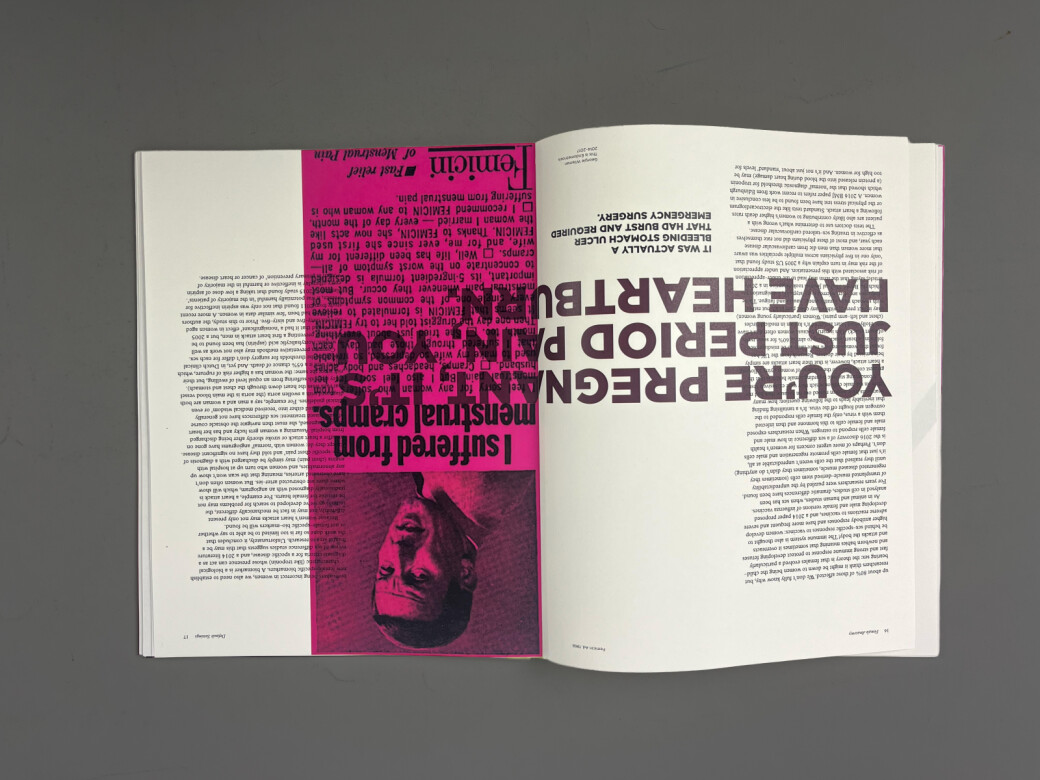
DeFault Settings is an editorial publication that responds to the ISTD brief, ‘What if women ruled the world?’ Rather than imagining how a matriarchal society might function, the publication examines why women do not currently rule the world. Drawing on ideas from Caroline Criado Perez’s Invisible Women, it highlights how modern society is fundamentally designed around men as the default.
The publication explores themes such as the ‘male default’, the misdiagnosis of women’s health and the ways in which systems, spaces, and products fail to account for female experiences. This gender divide is communicated through the juxtaposition of archival sexist advertisements, with contemporary feminist texts, placing historical attitudes within a modern context. By contrasting these opposing perspectives, the publication exposes how normalised misogynistic attitudes once were, while encouraging audiences to question how much has truly changed. Large typography is used throughout to emphasise and directly confront the underlying misogyny embedded within society.