I’m Emma Roche, a Visual Communications graduate where my designs are built on creativity through connections. I’m passionate about exploring themes that are close to home, whether that is sport, a life changing experience or a passion project for a good cause. My style leans towards imagery and typography in a multimedia approach often consisting of in-depth research to produce the best design output. Campaigns have become my strong point as I enjoyed developing clear messages to an audience, whether that is through print or digital mediums. For me, design depends on creativity but also connections of people, stories, and places in order for the design to feel purposeful.
Navigating Nostalgia
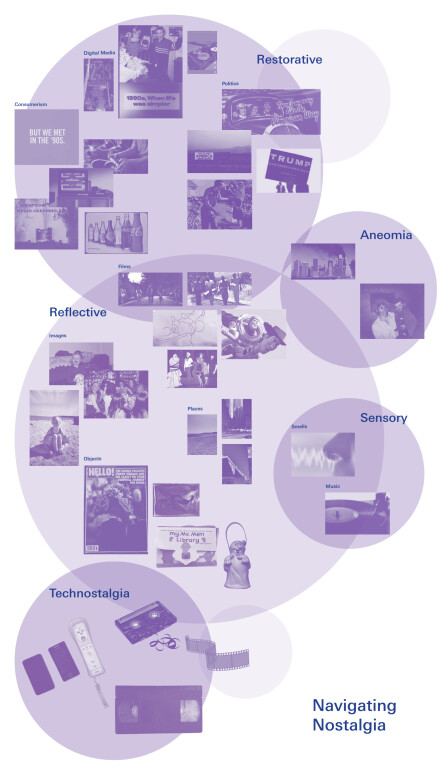
Navigating Nostalgia is a research-led design project that explores nostalgia as a complex emotional and social phenomenon. First identified in 1688 by Johannes Hofer as a form of homesickness, nostalgia is now understood as a way people find comfort, meaning, and connection during uncertain times. However, nostalgia can also be shaped and manipulated by consumer culture, technology, and politics. This project aims to untangle these interconnected layers through a visually engaging website that functions as a navigation map of nostalgia. Categories such as sensory nostalgia, technostalgia, reflective nostalgia, and restorative nostalgia are presented as overlapping sections to reveal their relationships. The rationale behind the project is to make an abstract psychological concept more accessible through visual communication. Supported by an interactive installation inspired by the nostalgia inventory developed by Krystine Batcho, the project invites audiences to reflect on their own nostalgic experiences.
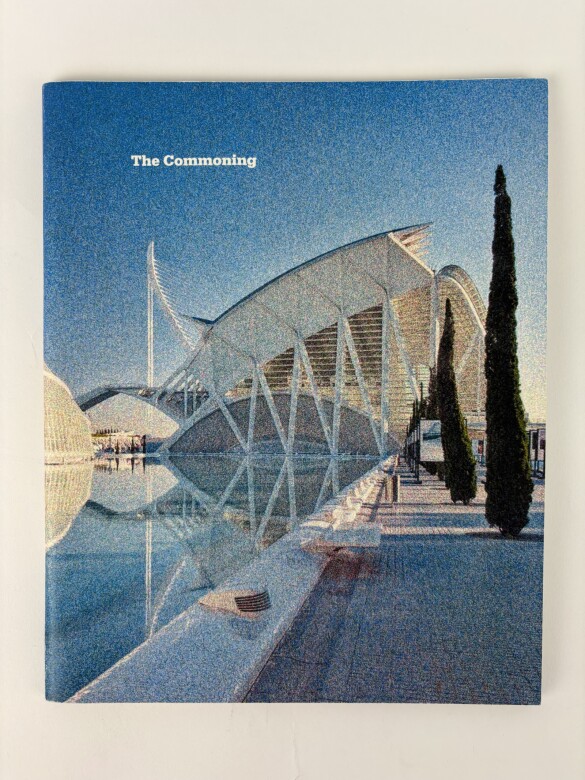
The Commoning
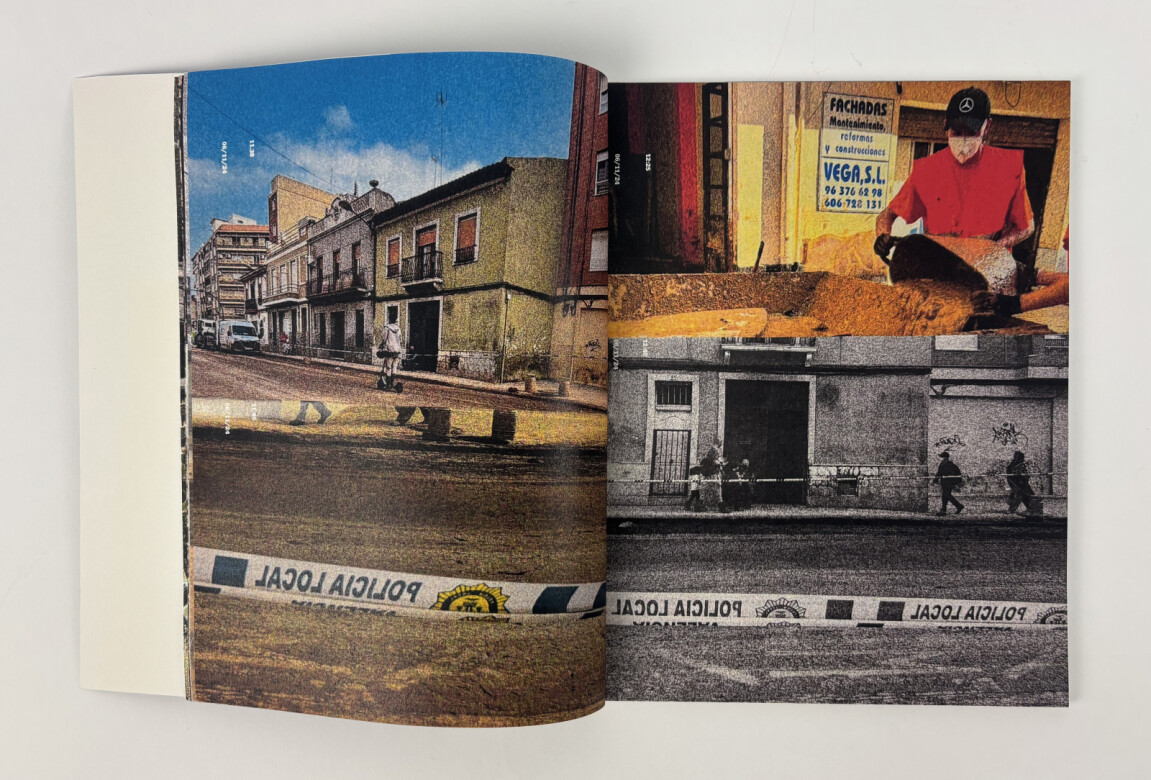
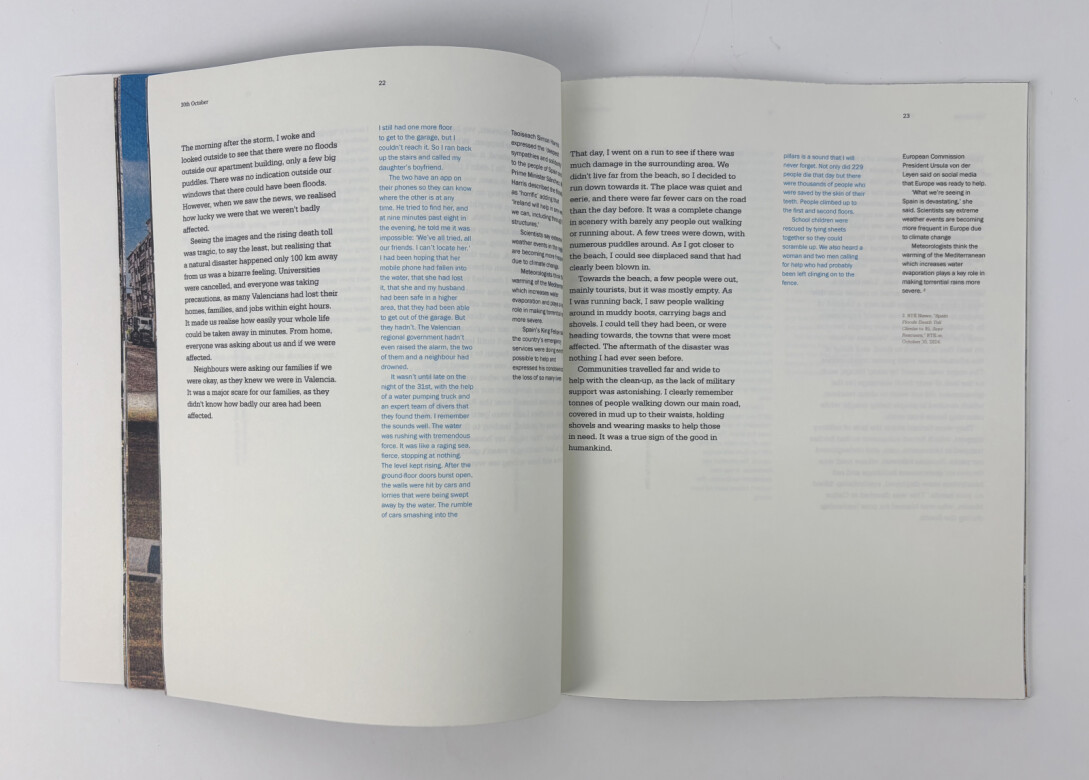
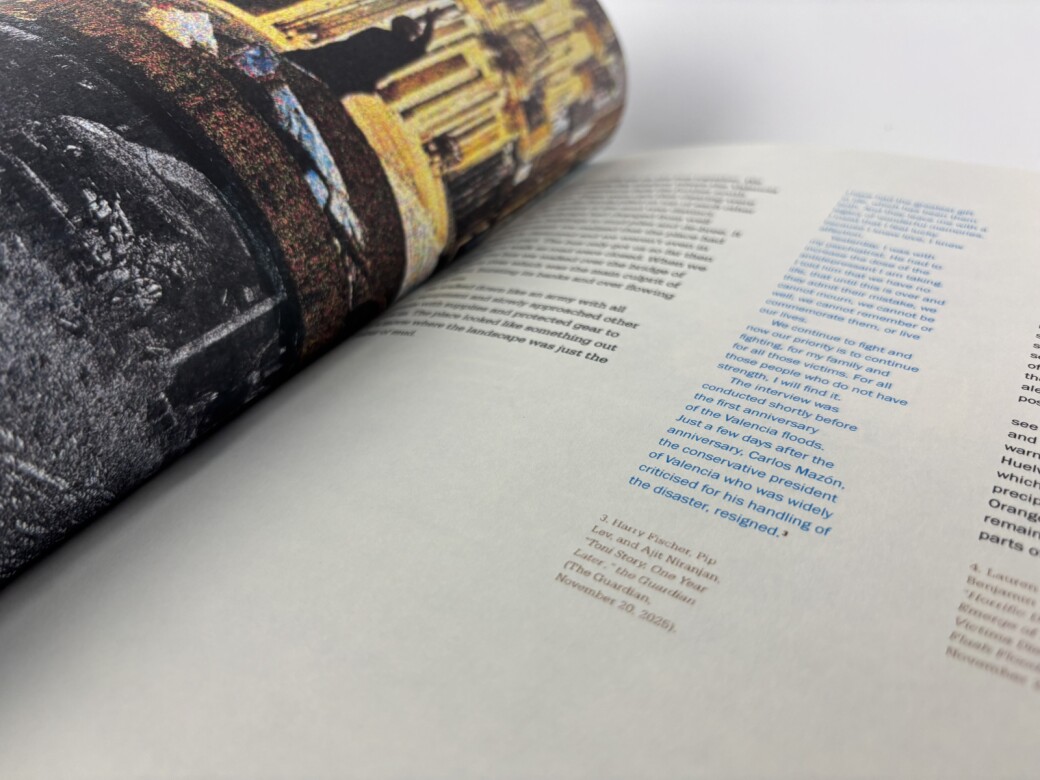
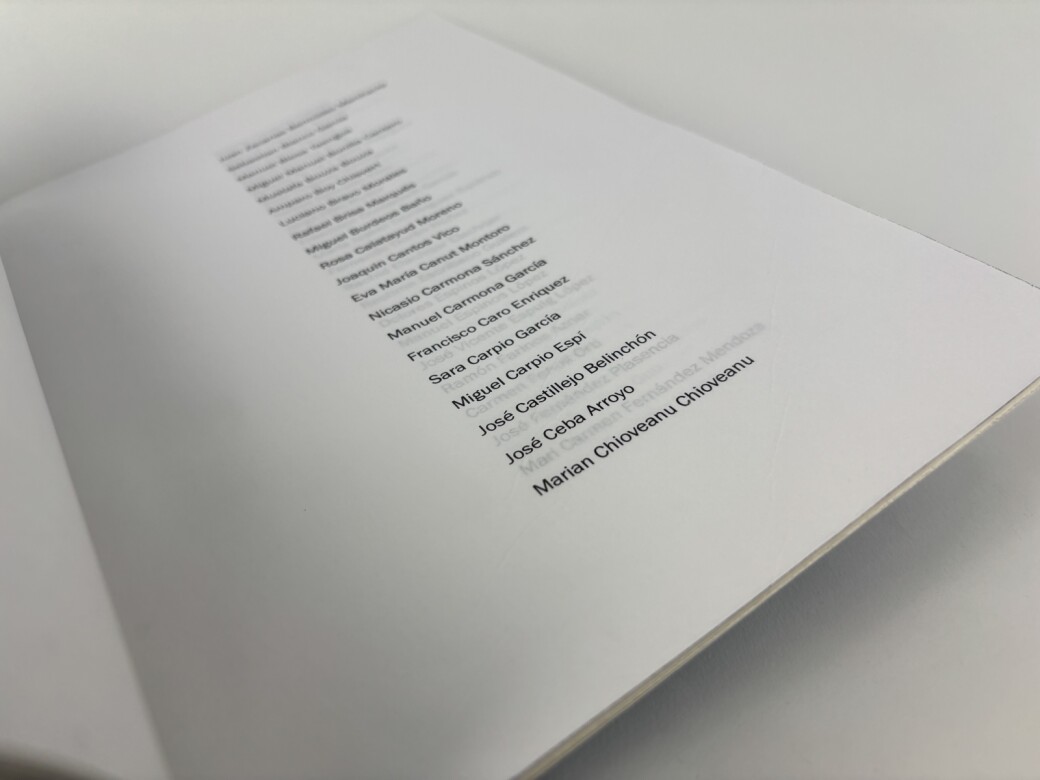
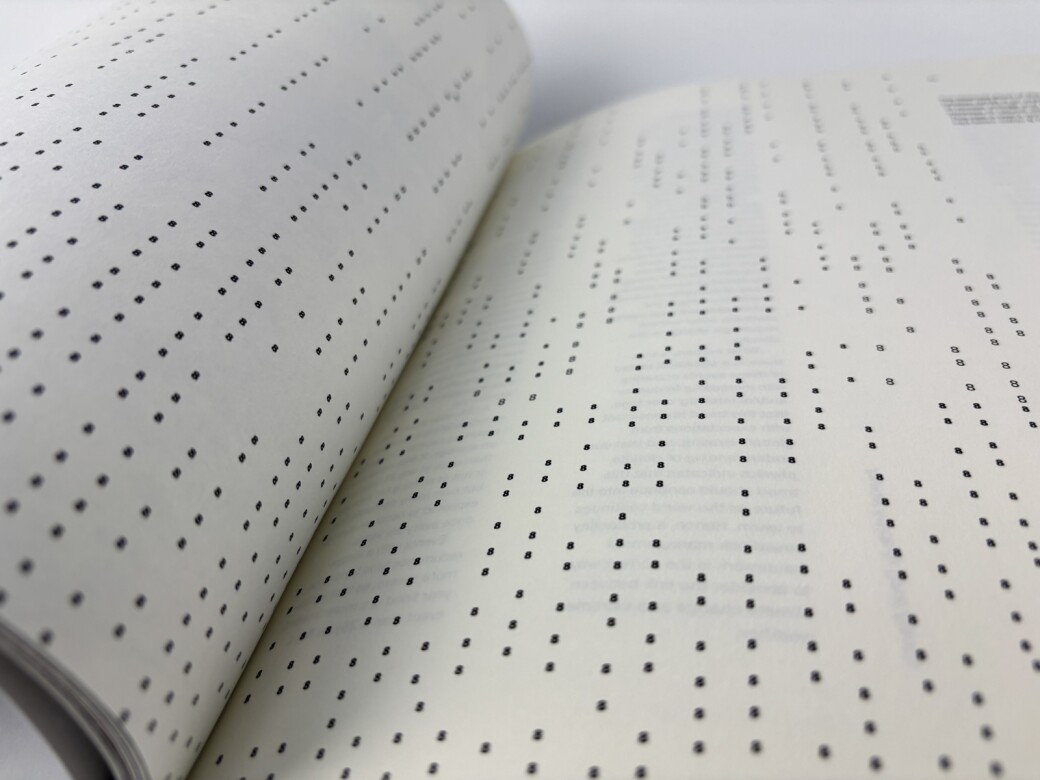
This publication explores the 2024 floods in Valencia through overlapping personal, collective, and media narratives, revealing how a single disaster is experienced in profoundly different ways. This publication was inspired by my own experience of the floods, grounding the project in lived reality and firsthand observation. It reflects on the abrupt disruption caused by extreme weather, where ordinary life is suddenly fractured, yet the emotional and social impact continues long after the event itself. By bringing these narratives together, the project questions how truth, memory, and representation are shaped whether through lived experience, shared testimony, or mediated reporting.
At its core, the work is about resilience and the human response to crisis. It highlights how communities come together in the aftermath, forming connections through shared loss and recovery. The project also draws attention to the growing impact of climate change, emphasising the urgency of preparedness and adaptation. Ultimately, the publication acts as both a document of lived experience and a reflection on how we understand and respond to environmental disaster.