I’m a designer with a strong interest in visual identity, information systems, and typography.
My practice spans a range of disciplines including branding, publication, moving image, and digital design, and I enjoy exploring how these areas can work together and adapting my approach to suit different contexts and audiences.
I am drawn to the more technical side of design, and much of my work centres around information design and finding engaging ways to communicate ideas. I’m interested in how information can be organised and presented in ways that feel accessible, intuitive, and visually cohesive across both digital and physical formats. I enjoy combining design with a technical and structured way of thinking, particularly through typography and layout design.
I worked with three other amazing Visual Communication students—Cristina, Elli, and Justina—to create the GradX Visual Identity used across this website, social media, and printed publications.
Threads Through Time
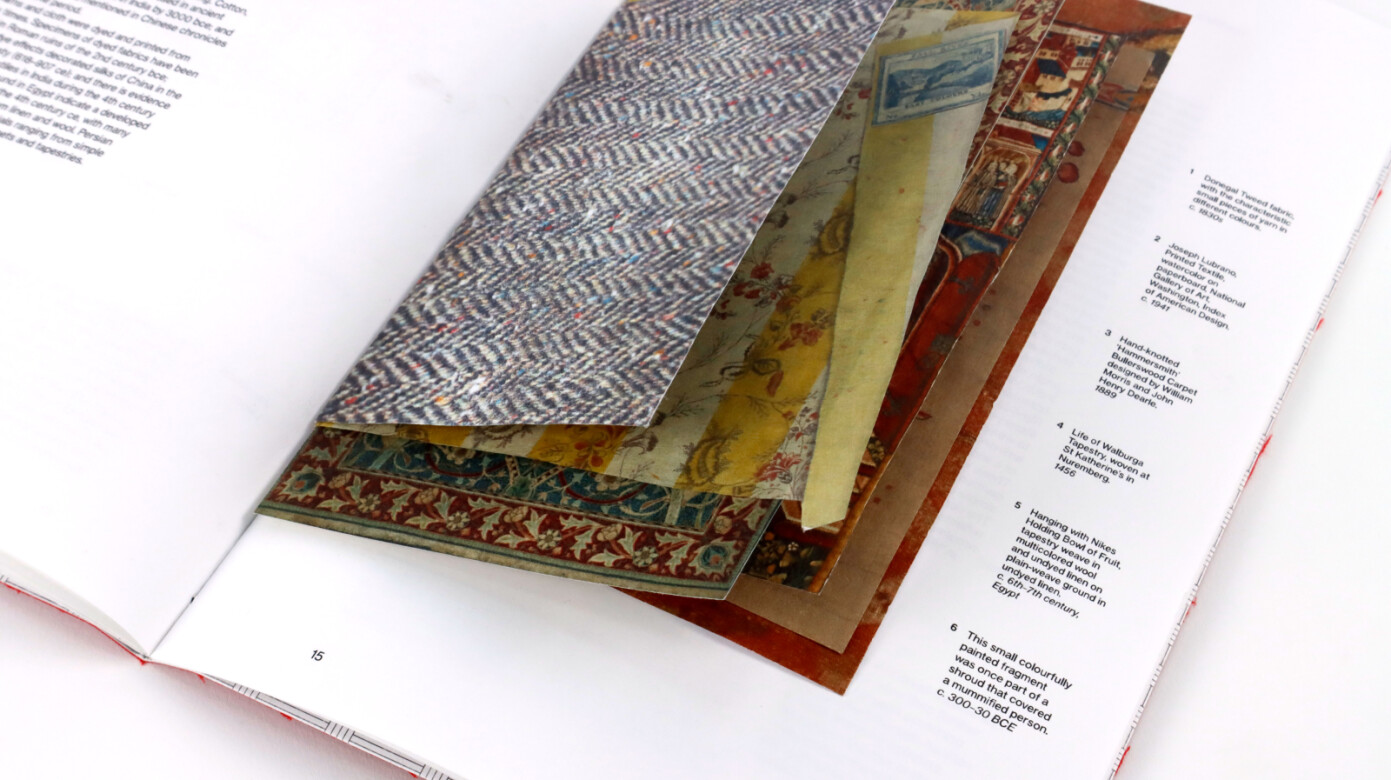
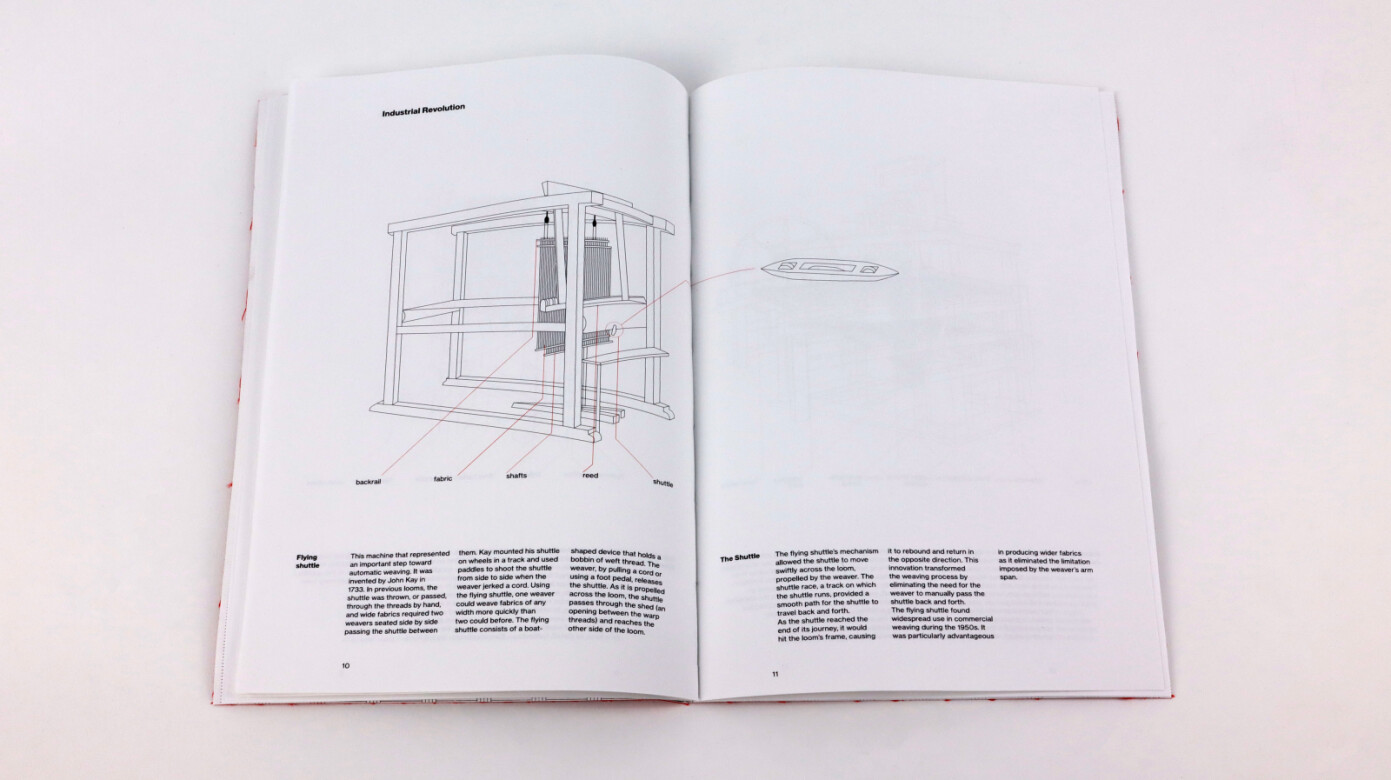
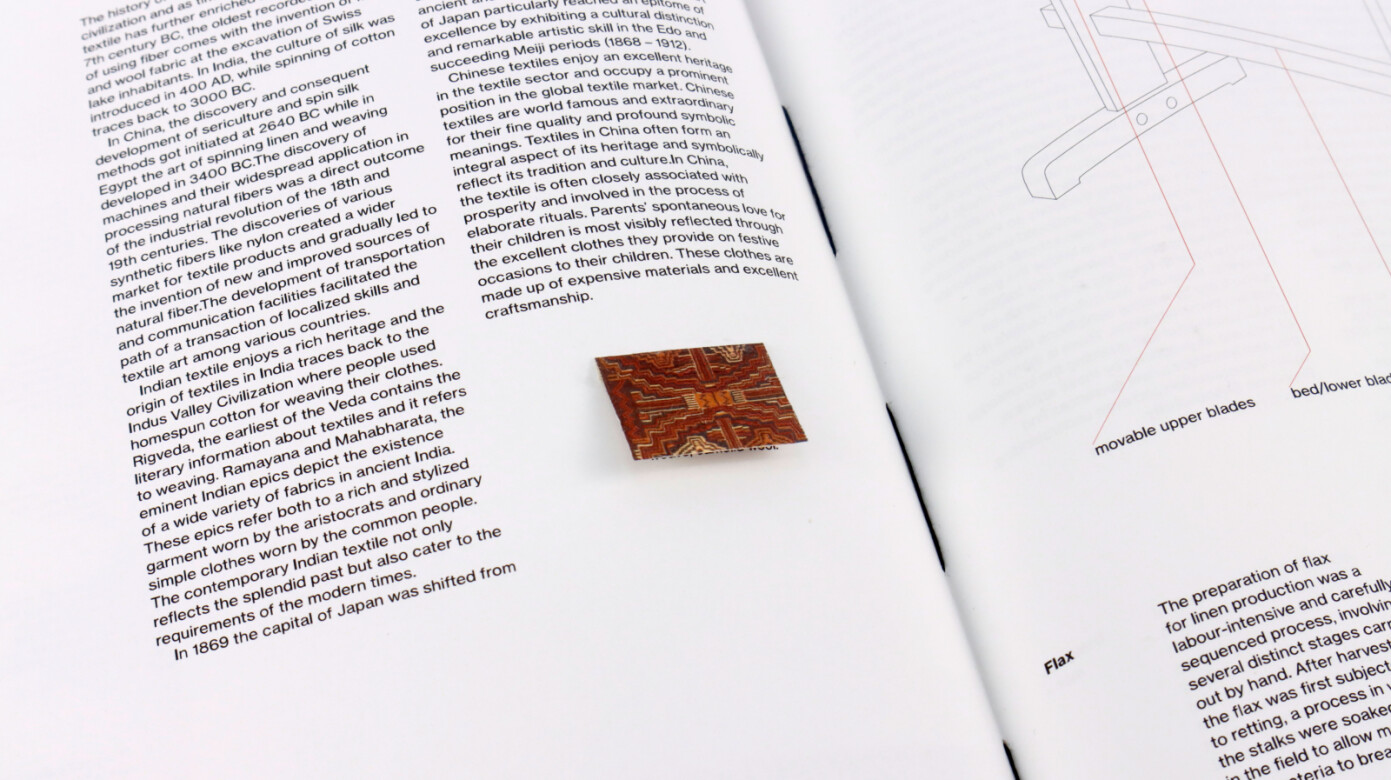
This project documents the evolution of weaving methods and loom technologies through information design and editorial systems. Tracing weaving from ancient handcraft practices to industrial and digital production, the publication explores how technological change has reshaped both the trade itself and our relationship with textiles, labour, and material understanding.
The project responds to a growing disconnect between consumers and the processes behind everyday textiles. As weaving has become increasingly industrialised and automated, much of the knowledge, labour, and cultural value attached to the craft has become less visible.
Through comparative layouts, technical diagrams, textile structures, and paced editorial sequencing, the publication aims to make these systems more accessible and engaging. Influenced by technical manuals and information-led publications, the project positions weaving not as an obsolete trade, but as a living system tied to sustainability, heritage, and conscious production.
Stories That Matter
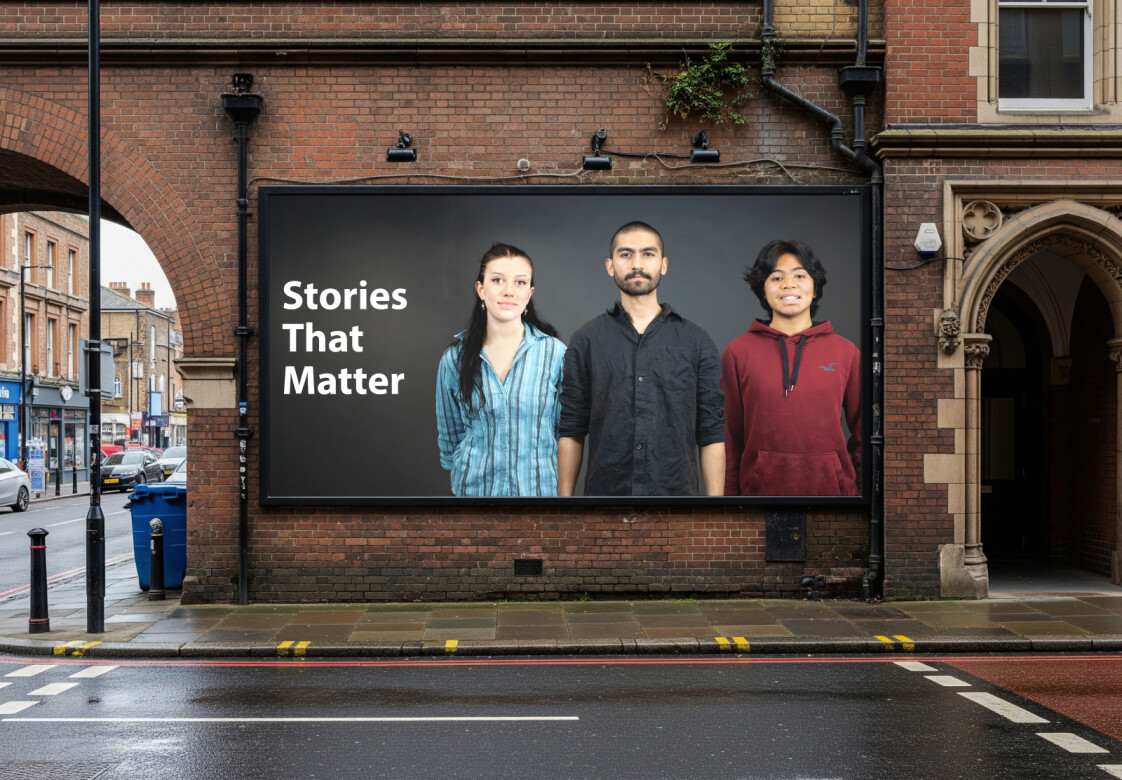
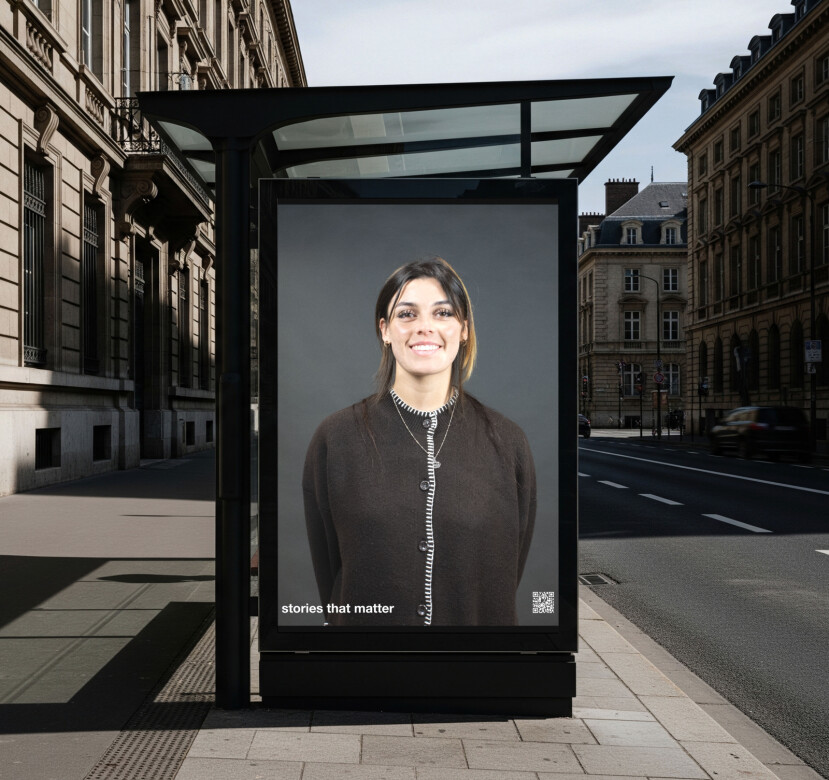
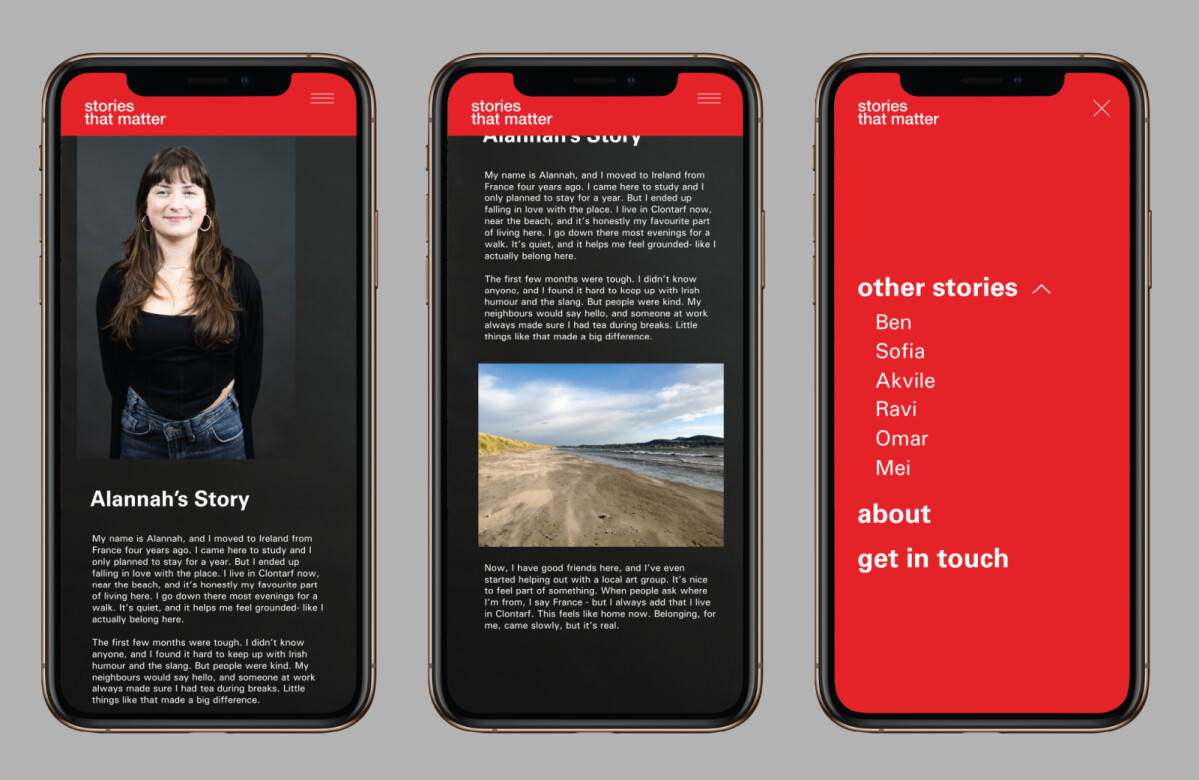
This campaign explores racism and anti-immigrant sentiment in Ireland. Responding to the growing normalisation of hate and exclusion, the project aims to humanise immigrants by focusing on individual experiences, identity, and belonging. Through personal stories and visual narratives, the campaign encourages viewers to move beyond statistics and stereotypes, instead creating space for empathy, reflection, and connection.
The project is centred around the idea that immigration is not separate from Irish identity, but part of its evolving social and cultural landscape. Combining photography, typography, and editorial layouts, the campaign uses design as a tool for communication and social awareness. By placing real voices and lived experiences at the centre, the project highlights the social impact of racism while encouraging more open, inclusive conversations around community, representation, and shared humanity.