I’m Justina, a Dublin-based visual communication designer with a strong interest in design as a tool for communication, education, and social awareness. My work explores the intersection of visual storytelling, research, and critical thinking, with a particular focus on issues surrounding race, feminism, mental health, and the overlooked realities of everyday life.
I'm interested in making complex or unseen experiences more visible and accessible to wider audiences. Through typography, moving images, and strategic design, I aim to create work that encourages conversation, reflection, and understanding. I see design not only as a visual practice, but as a way of highlighting systems, shaping perspectives, and connecting people to ideas that are often ignored or misunderstood.
I worked with three other amazing Visual Communication students—Cristina, Hannah and Elli—to create the GradX Visual Identity that you see in use across this website, social media and printed publications.
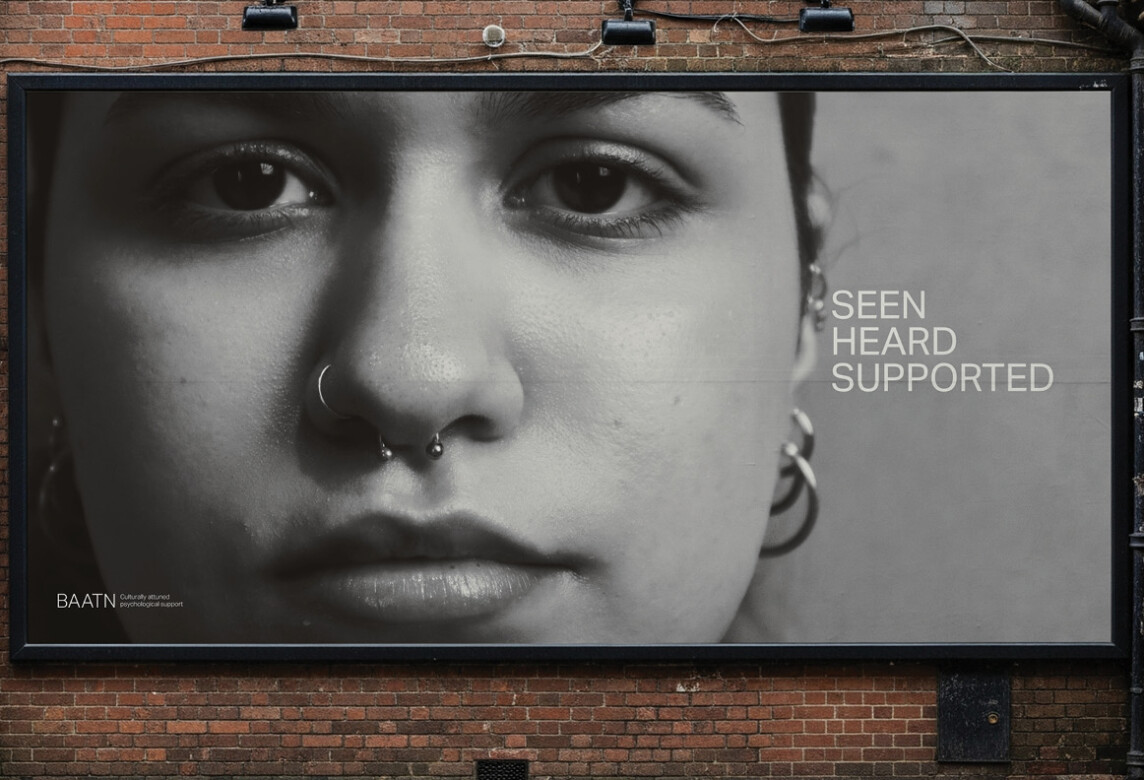
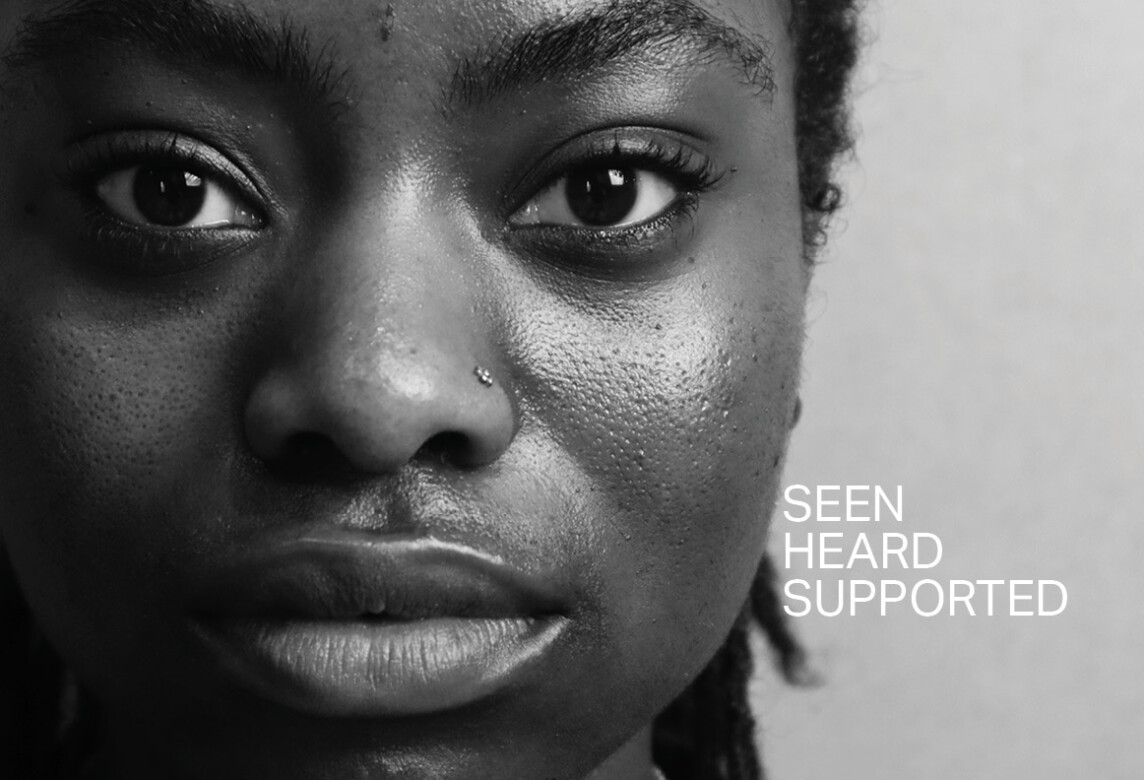
Seen Heard Supported
This campaign is built around an experience that often remains invisible: the emotional reality of Third Culture Kids (TCKs). For many TCKs, emotional difficulty does not arise from a single defining moment, but from the ongoing instability of growing between cultures.
This constant negotiation between identities, languages, and expectations can create a persistent sense of rootlessness. These experiences are shaped by migration, race, education, and family adaptation to new environments. TCKs are often expected to know where they belong, while internally navigating multiple and sometimes conflicting cultural frameworks.
"Seen Heard Supported" aims to make this invisible experience visible, highlighting the need for culturally responsive mental health care and directing audiences toward organisations such as the Black, African and Asian Therapy Network (BAATN).
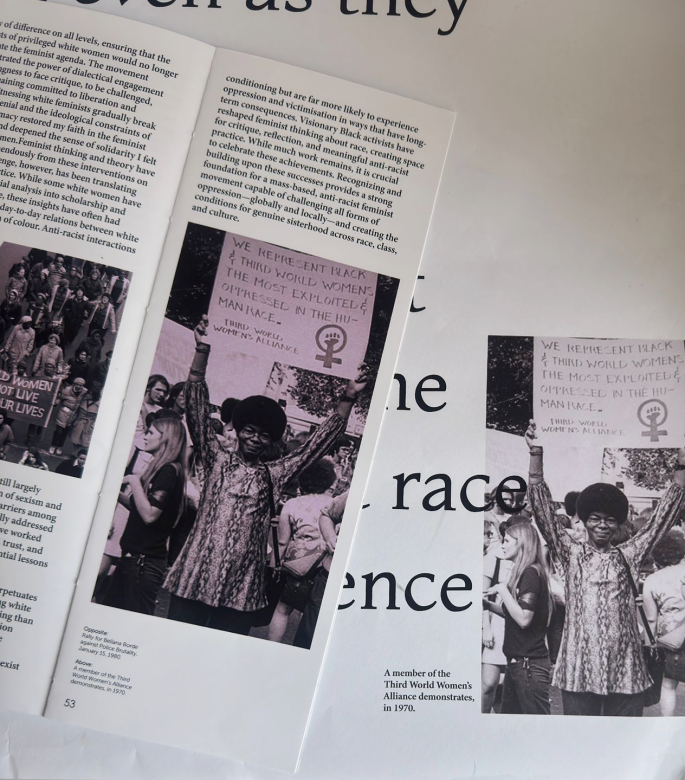
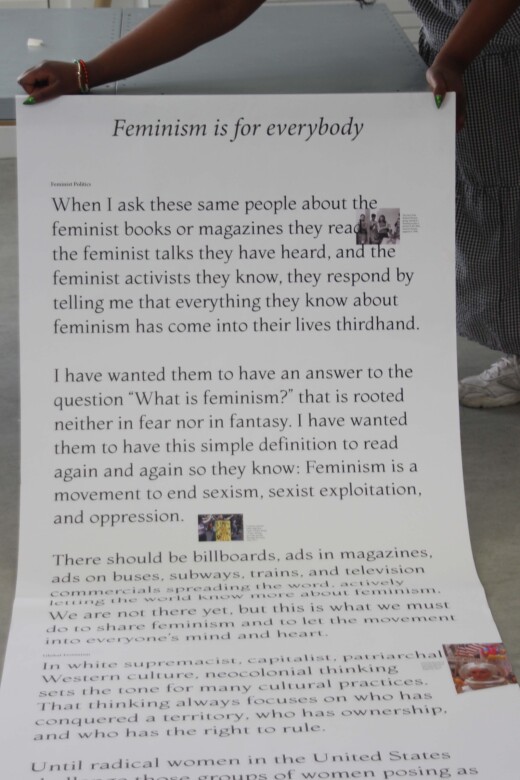
Feminism is for everybody
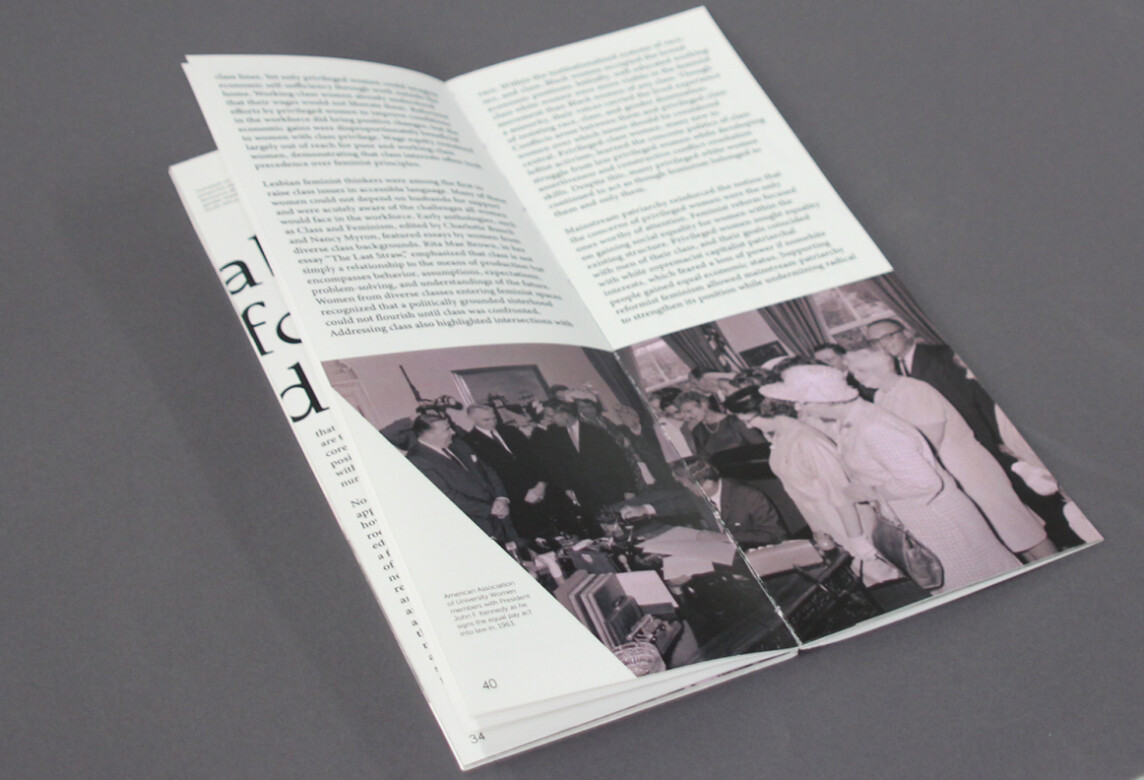
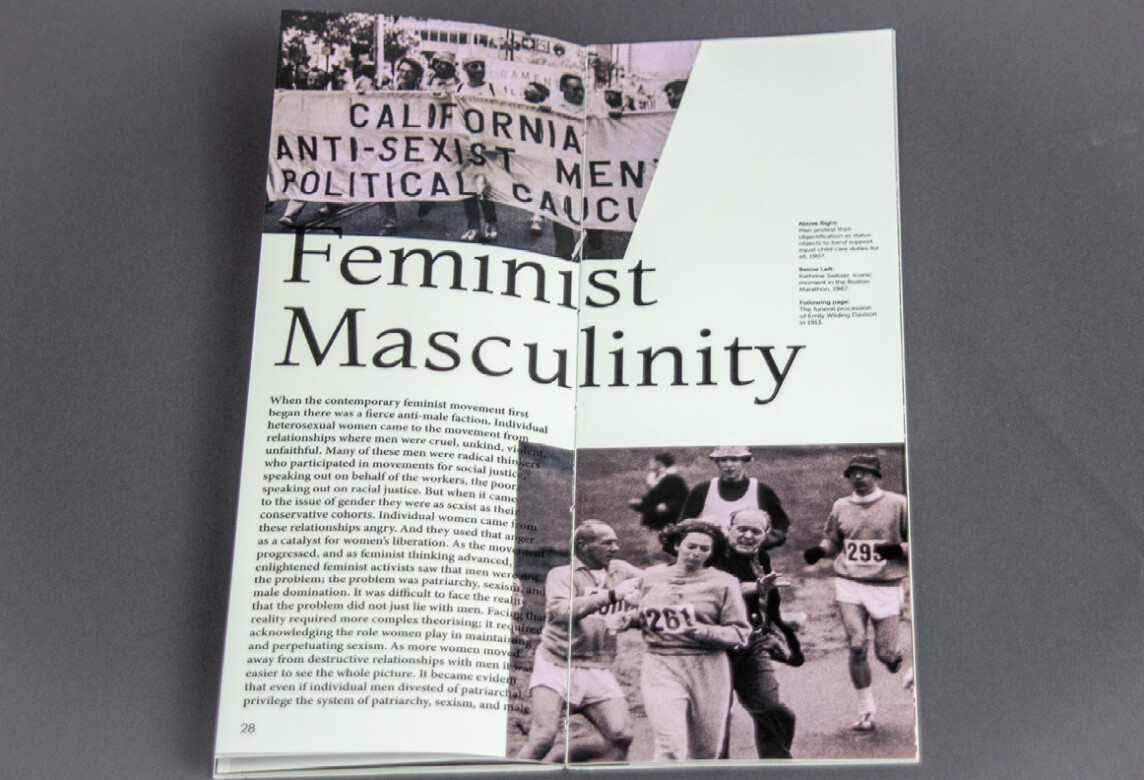
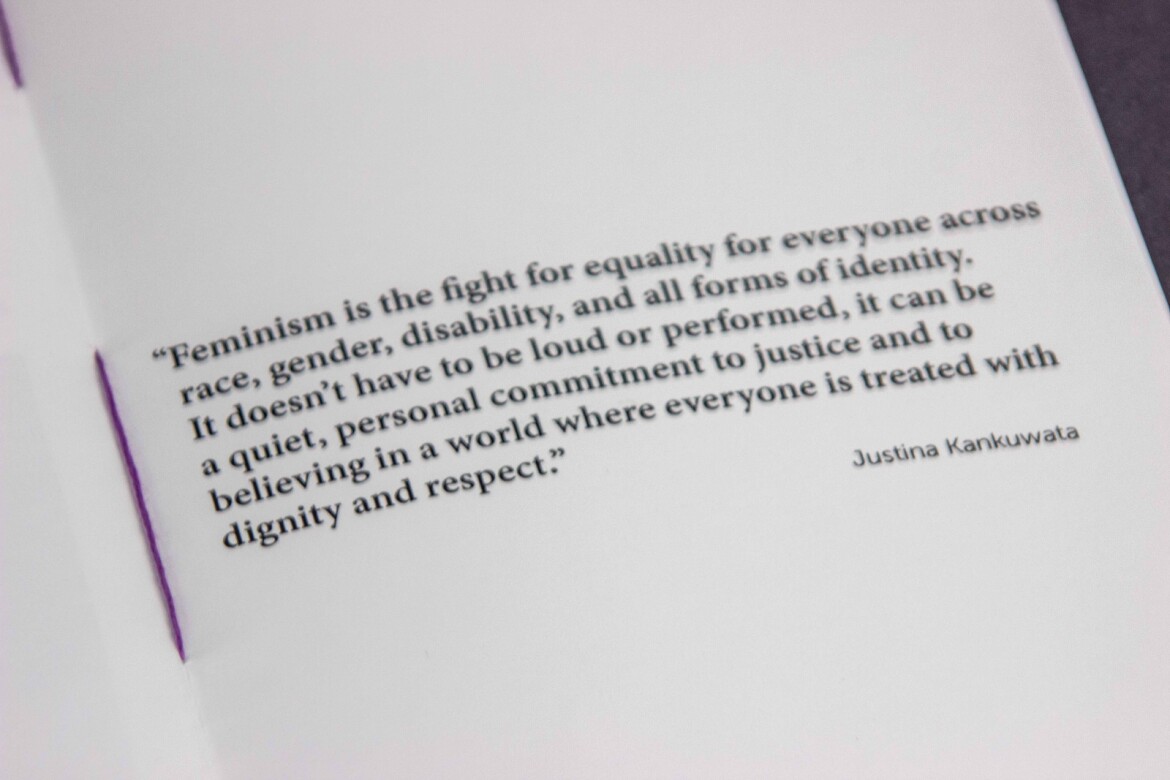
This project explores the idea of creating space within feminism for individuals to define feminism for themselves. It focuses on the understanding that feminism is not a single, fixed concept, but a personal and evolving experience shaped by history, identity, and lived experience.
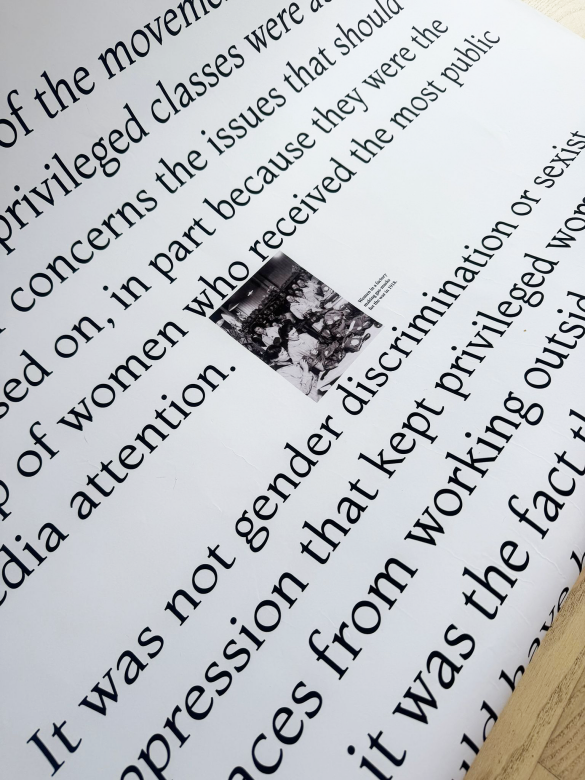
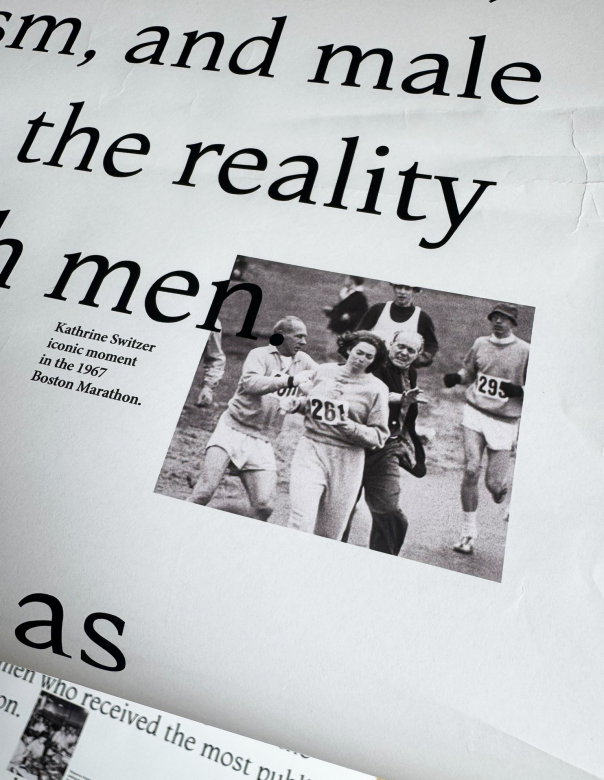
Feminism has historically been defined through dominant narratives that do not fully reflect the diversity of experiences within feminist communities. While traditional definitions provide a basic understanding, they often fail to convey the emotional weight, complexity, and personal impact that feminism holds for individuals. Single universal definitions can feel limiting or exclusionary.
This project responds to these gaps by examining where historical feminist movements have excluded certain voices and considering how these exclusions can be addressed. By encouraging the audience to find their own definition of feminism.