My name is Joelle Klein, and I am a fourth-year Interior Design student with a strong interest in how design shapes human connection. My work focuses on high-density living and how shared spaces can support a sense of community. Through my thesis, I study both modernist and contemporary housing, including projects such as the Barbican and Unité d’Habitation, to understand what encourages and hinders social interaction. This was also explored critically and theoretically through my written thesis.
I approach design with a balance of research and practical thinking. I value clear spatial planning, material choice, and the role of everyday use in shaping experience. My goal is to create spaces that feel considered, functional, and socially engaging. Alongside my studies, living and working in different countries, including a semester in Paris in 3rd year, has shaped how I understand space and human behaviour. I bring this perspective to my design work, focusing on how people move, interact, and feel in shared spaces.
KIEZ Köln
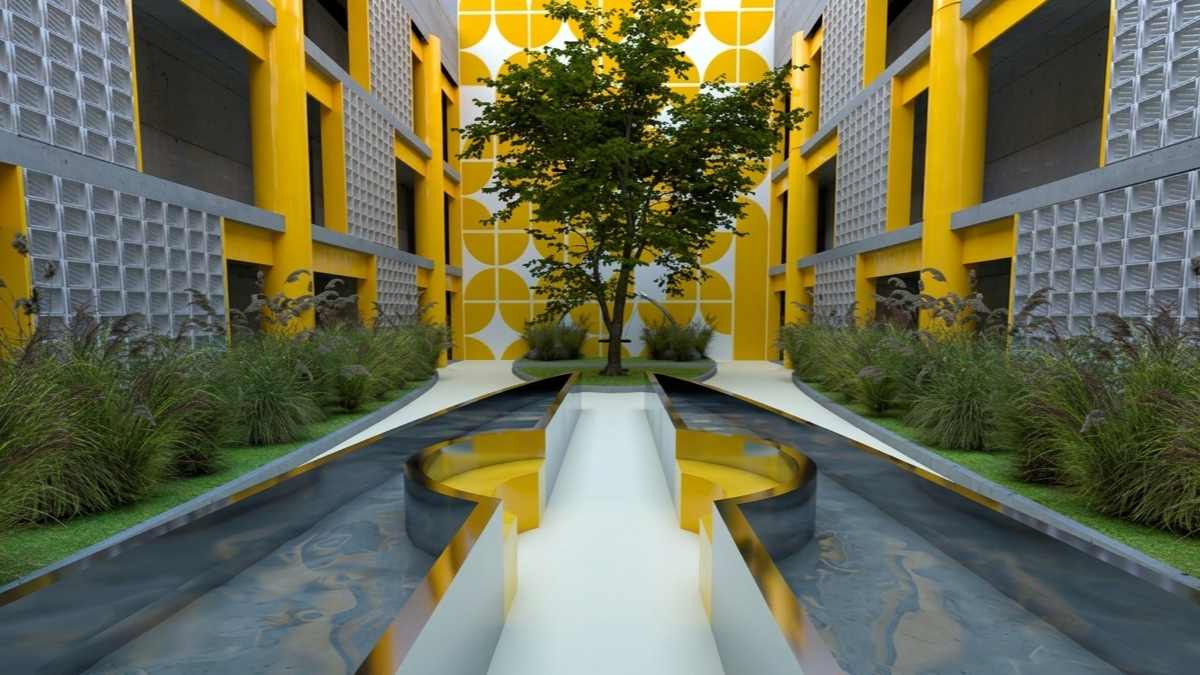
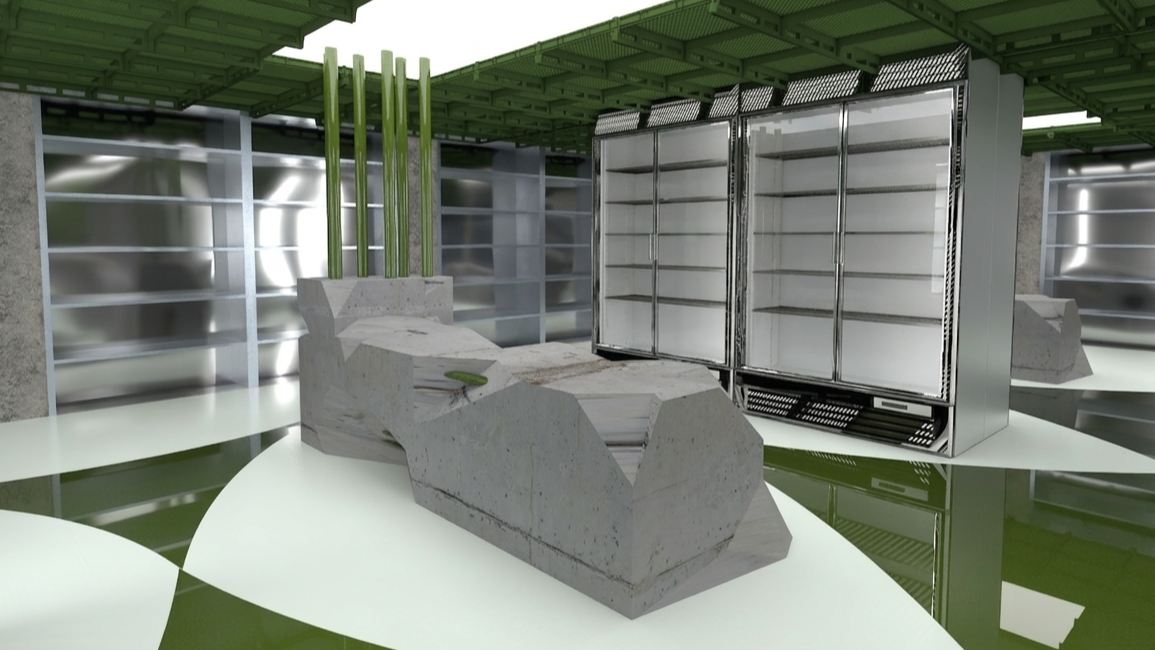
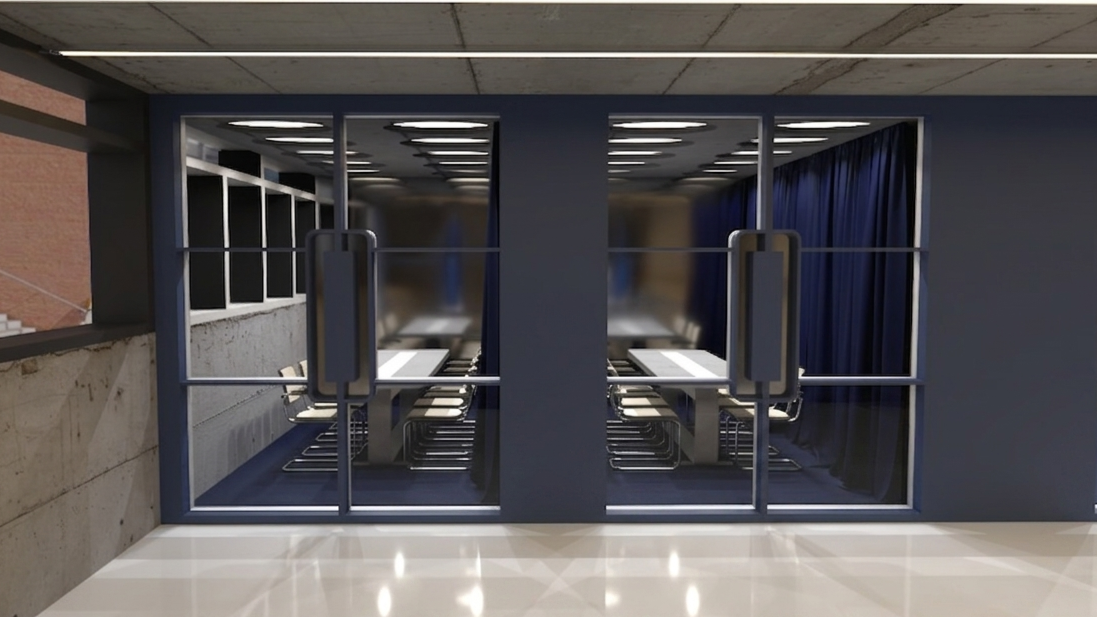
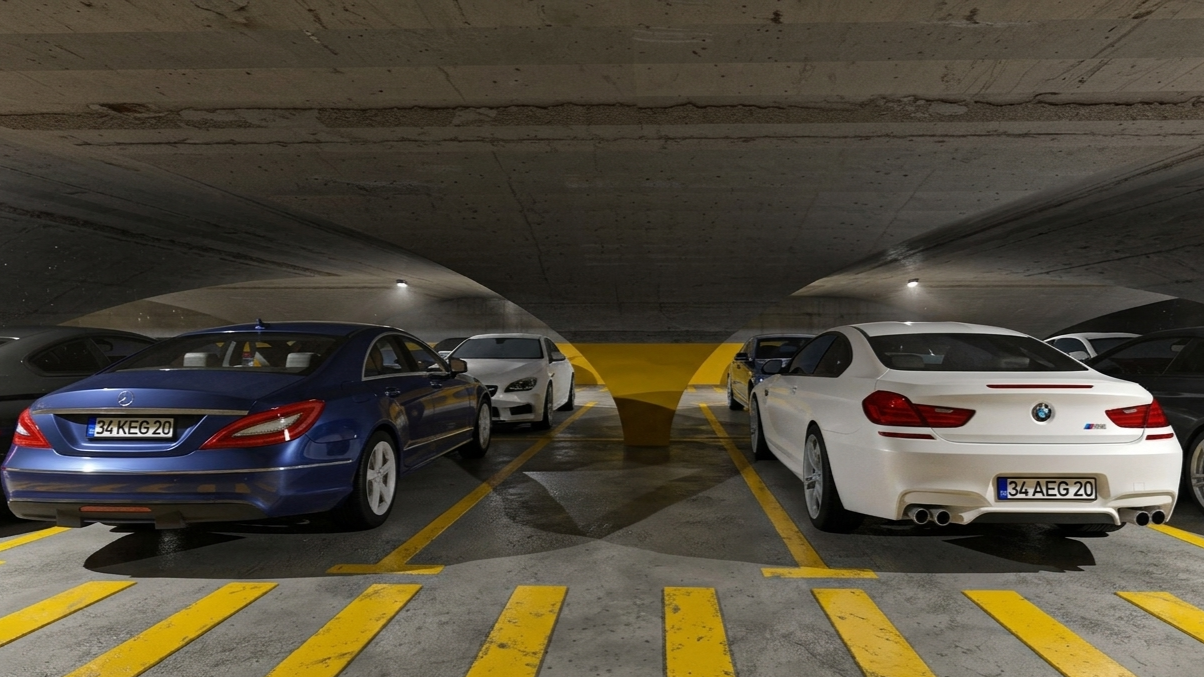
The KIEZ Köln project explores how interior design can support community within a dense urban setting. Located in Cologne, my project is shaped by the city’s layered history and my own German background. It draws from the idea of the “Kiez”, where strong local identity and everyday social exchange shape neighbourhood life.
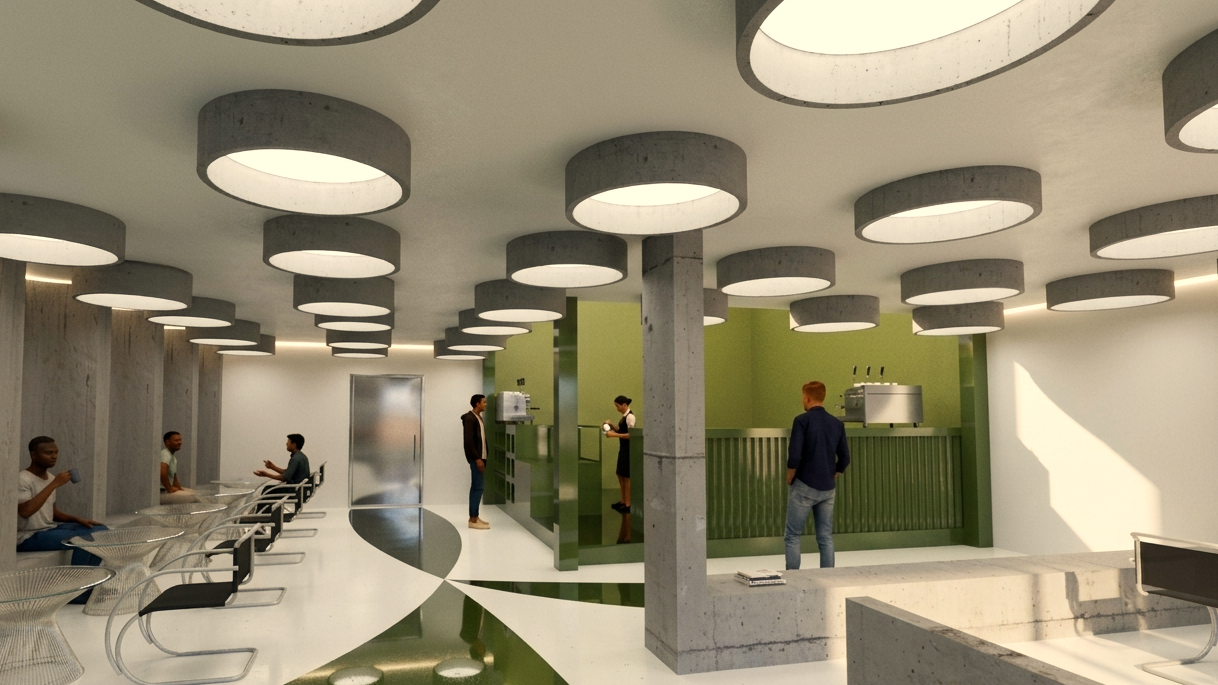
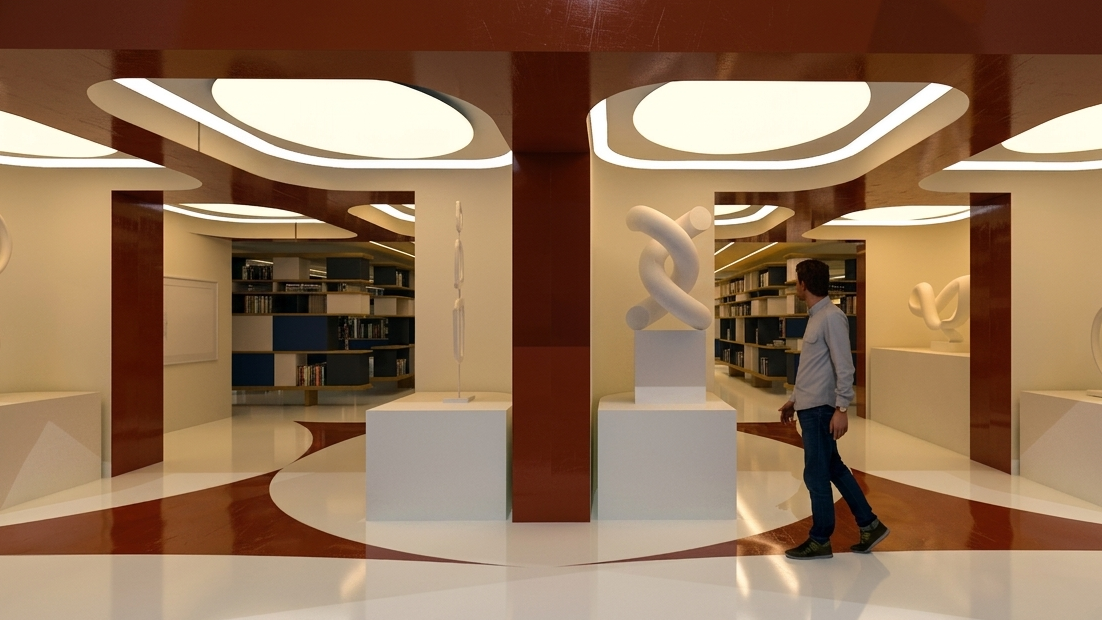
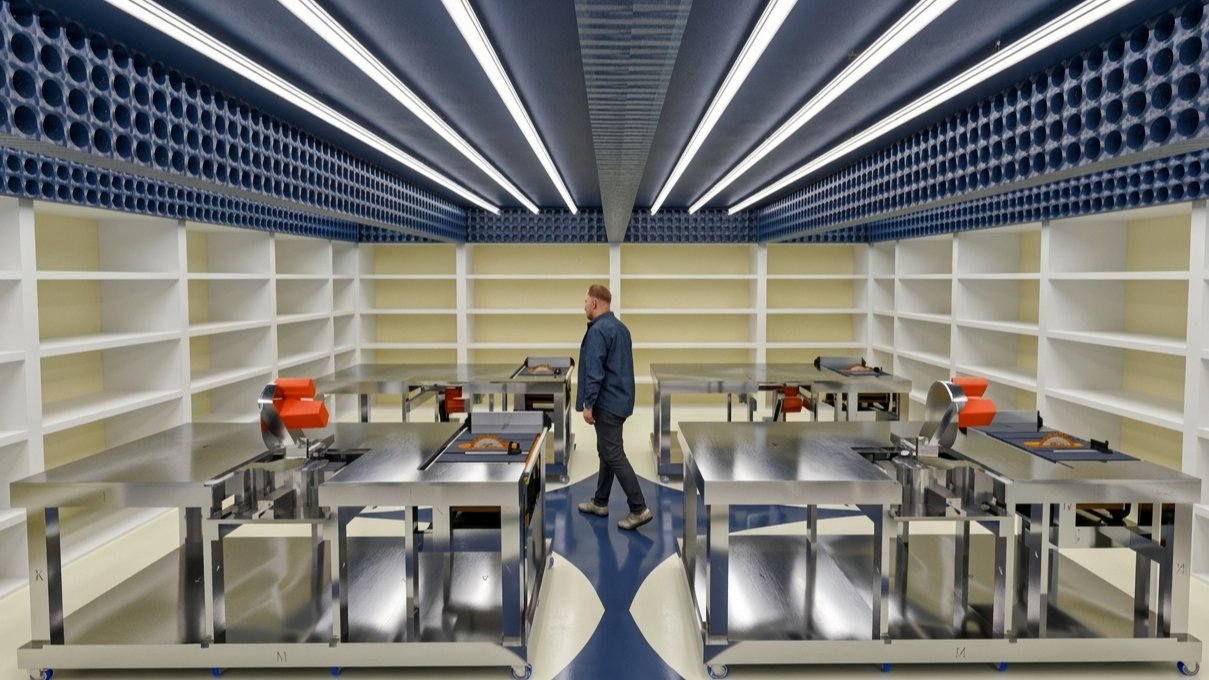
A clear spatial hierarchy organises the design, moving from public to semi-public to private. Communal areas sit at the centre, supporting shared activities such as cooking, working, and socialising. Circulation routes act as semi-public spaces, designed to encourage informal encounters. Private living units provide a sense of retreat while remaining connected to the broader community. The design approach combines Bauhaus principles of clarity and function, along with Brutalist influences such as raw materials and defined structural form. The project responds to current housing needs by focusing on connection, durability, and a sense of belonging within an urban environment.