My design philosophy is rooted in creating meaningful impact for the elderly and disabled, ensuring that design is not only functional but genuinely inclusive. I believe design should remove barriers rather than create them, empowering individuals of all abilities to engage with the world independently and with dignity. I am driven by empathy and a user-centred approach, prioritising accessibility, comfort, and clarity in every decision I make. Good design, to me, is intuitive and considerate, addressing real needs through thoughtful solutions rather than unnecessary complexity.
I aim to challenge assumptions about who design is for, advocating for inclusivity as a standard rather than an afterthought. By combining creativity with purpose, I strive to develop designs that improve quality of life, foster independence, and create a more equitable experience for all users. Ultimately, my goal is to design with care, intention, and lasting social impact.
Standby
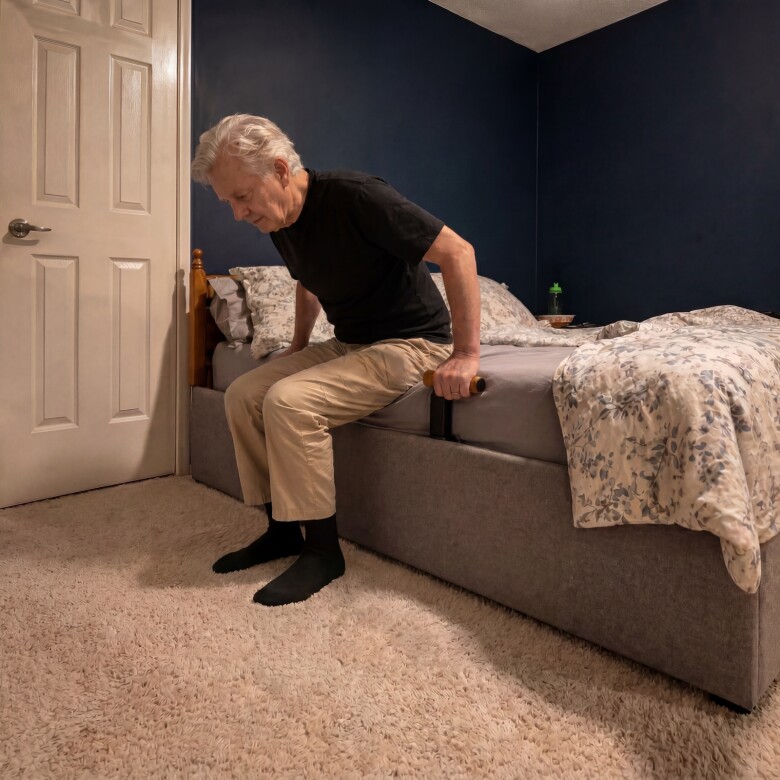
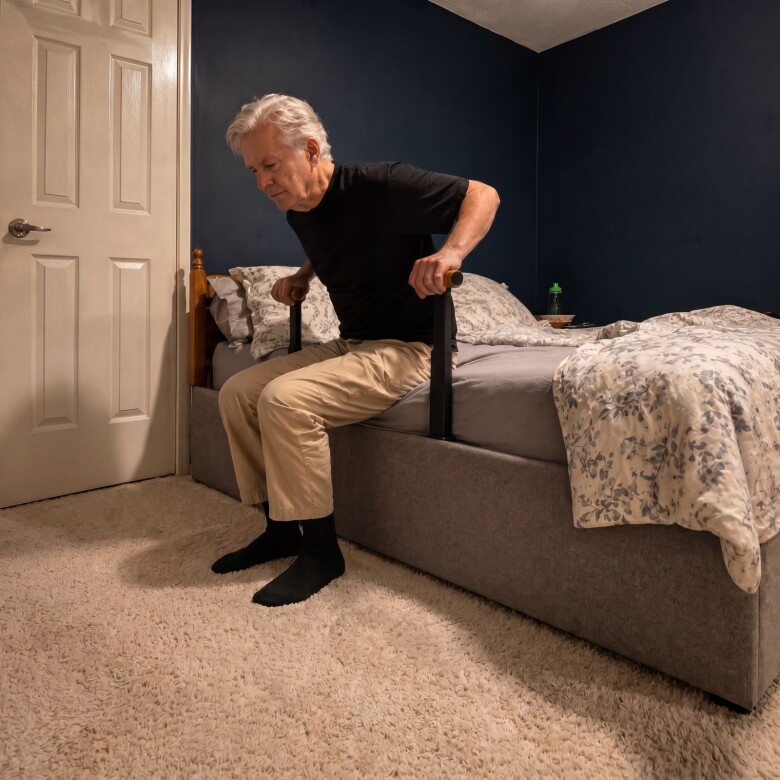
Standby is a discreet bedside assist device designed to support safe sit-to-stand movements during night-time use. It addresses a common challenge faced by older adults and those recovering from injury, where fatigue, low lighting, and reduced stability increase the risk of falls. Rather than relying on unstable furniture or traditional bed rails, Standby provides a dedicated, structurally reliable push-off point.
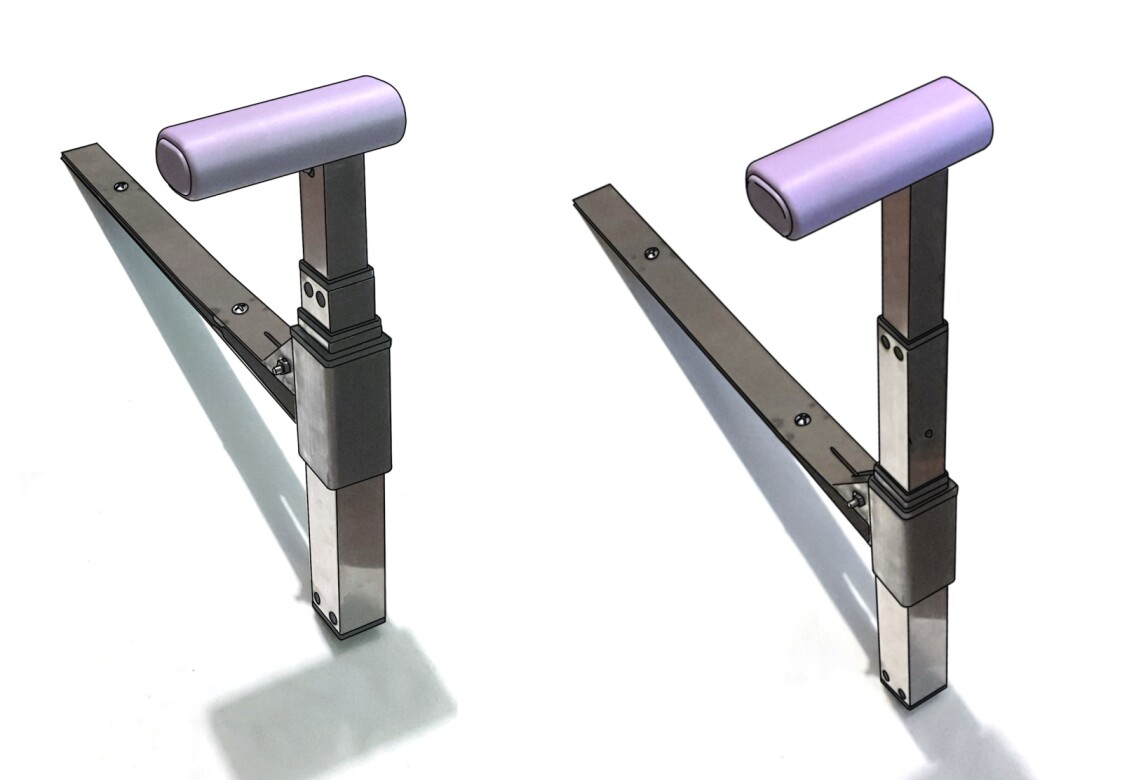
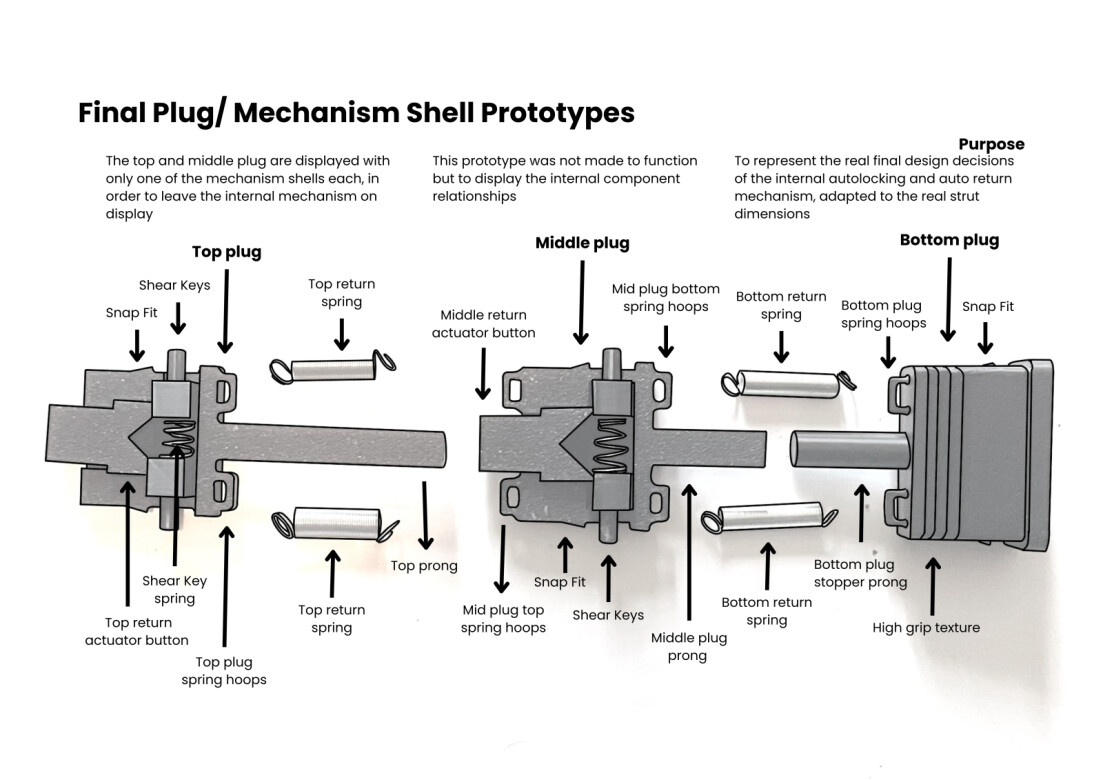
The device deploys from a concealed position beside the mattress, forming a rigid handle that allows users to apply downward force when standing. An internal telescopic mechanism with automatic locking ensures stability under load, even in unpredictable or asymmetric use. When not in use, it retracts seamlessly, preserving the familiarity and dignity of the bedroom environment. By combining intuitive interaction with safety-led engineering, Standby supports independence while reducing cognitive and physical strain during vulnerable night-time moments.
Transfer Recliner
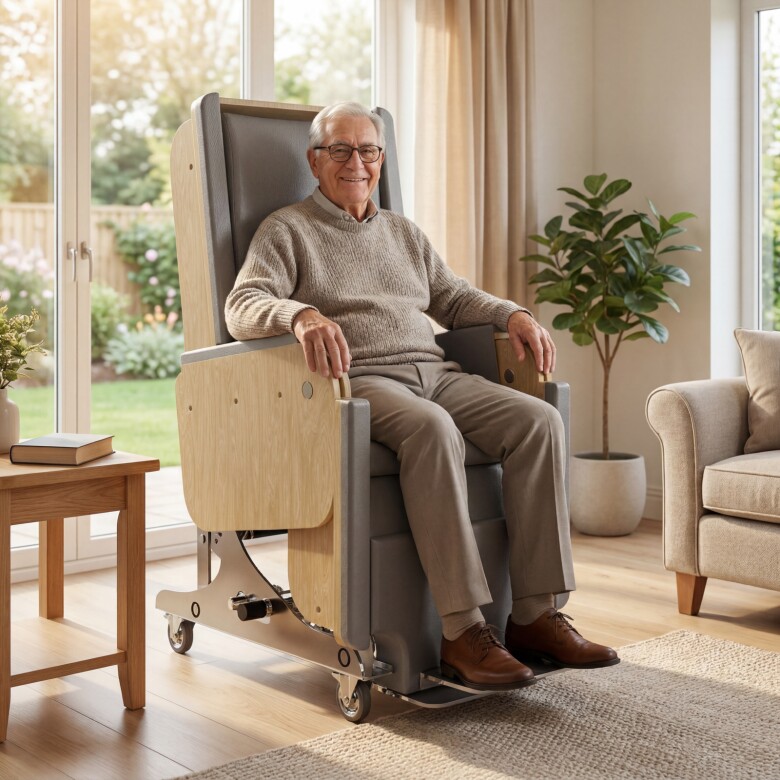
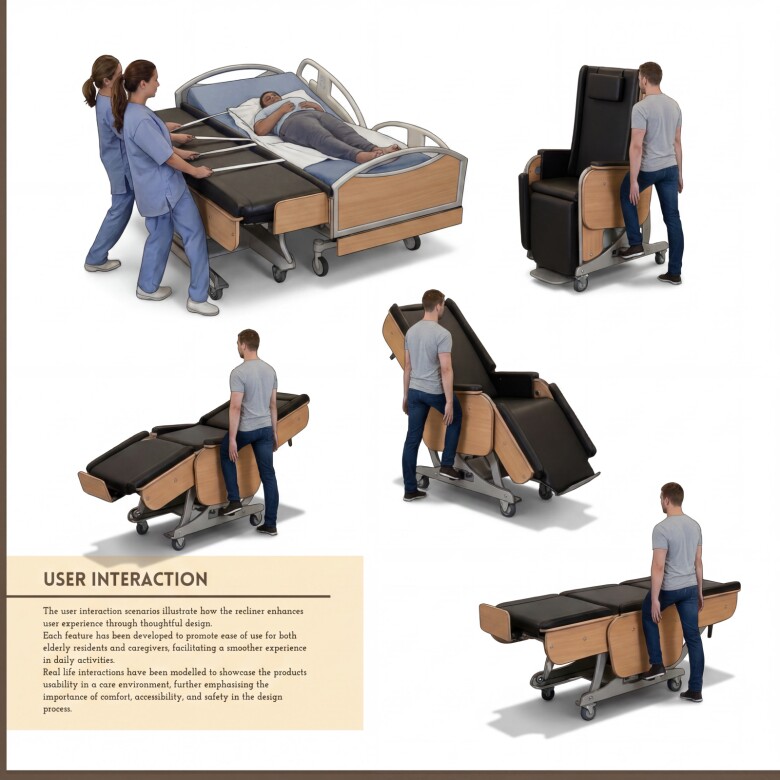
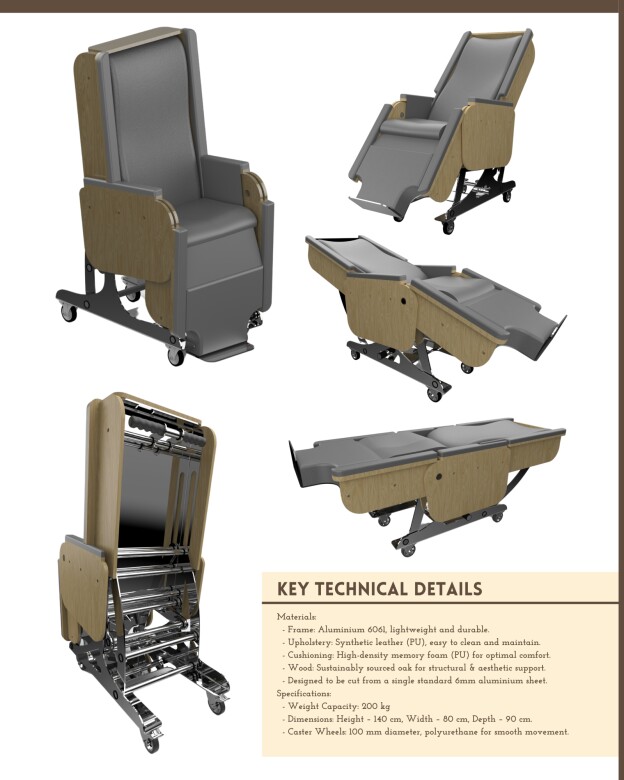
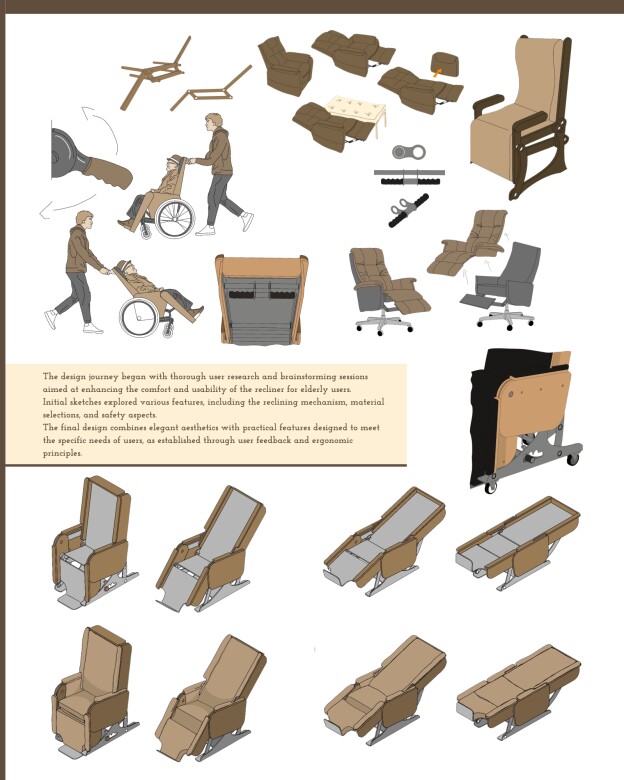
The Transfer Recliner is a mobile assistive chair designed to support safe, comfortable, and efficient patient transfers within care environments. It bridges the gap between seating, transport, and reclined support, allowing users to move seamlessly from upright sitting to a fully extended resting position. The design prioritises both user comfort and caregiver efficiency. A smooth reclining mechanism enables gradual position changes, reducing strain during transfers, while integrated foot controls and intuitive adjustments allow carers to operate the system hands-free. The chair’s wheeled base ensures easy manoeuvrability, and its stable frame provides reliable support during movement and repositioning.
Ergonomic cushioning, adjustable support, and removable upholstery enhance comfort, hygiene, and adaptability for a wide range of users. By combining mobility, stability, and intuitive operation, the Transfer Recliner improves daily care routines while promoting dignity, safety, and ease of use for both users and caregivers.